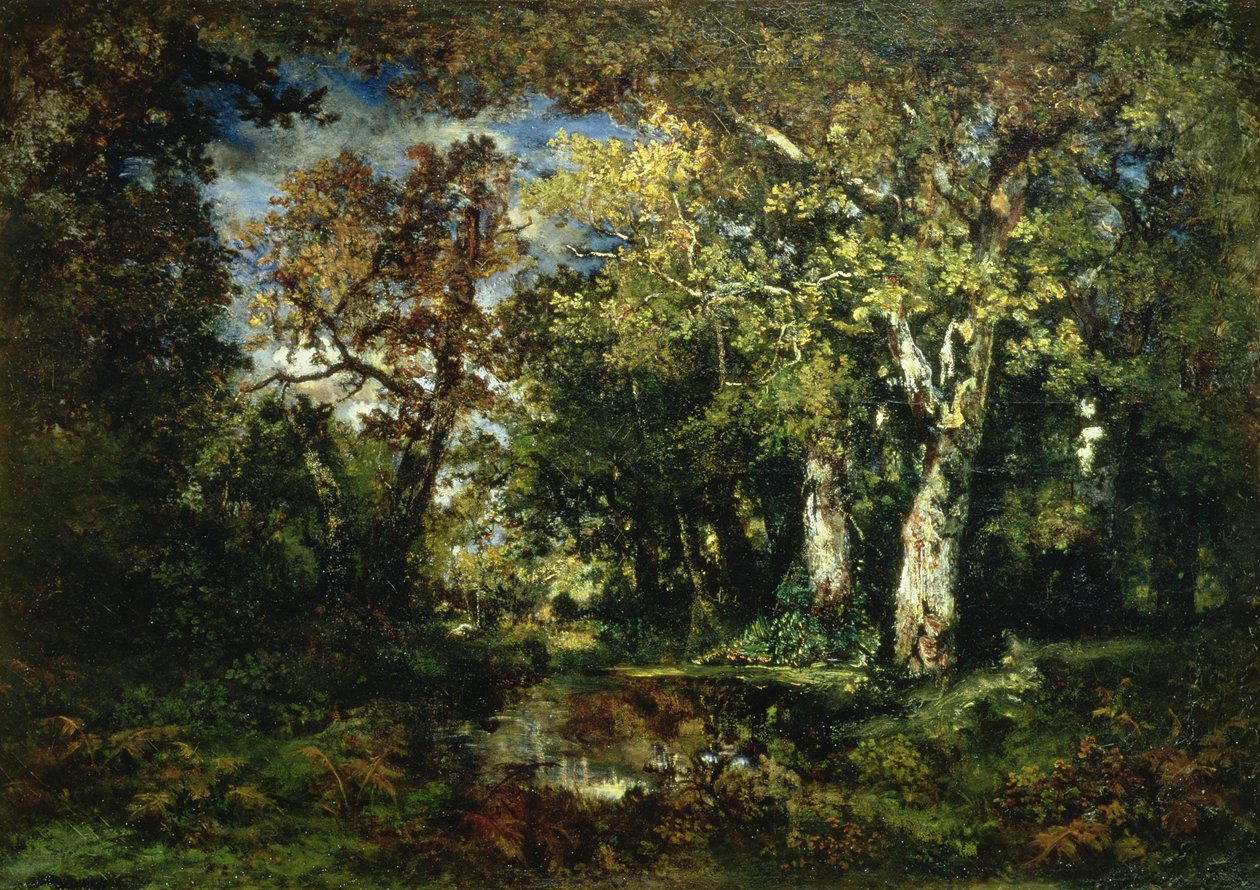
The Way through the Woods
They shut the road through the woods
Seventy years ago.
Weather and rain have undone it again,
And now you would never know
There was once a road through the woods
Before they planted the trees.
It is underneath the coppice and heath,
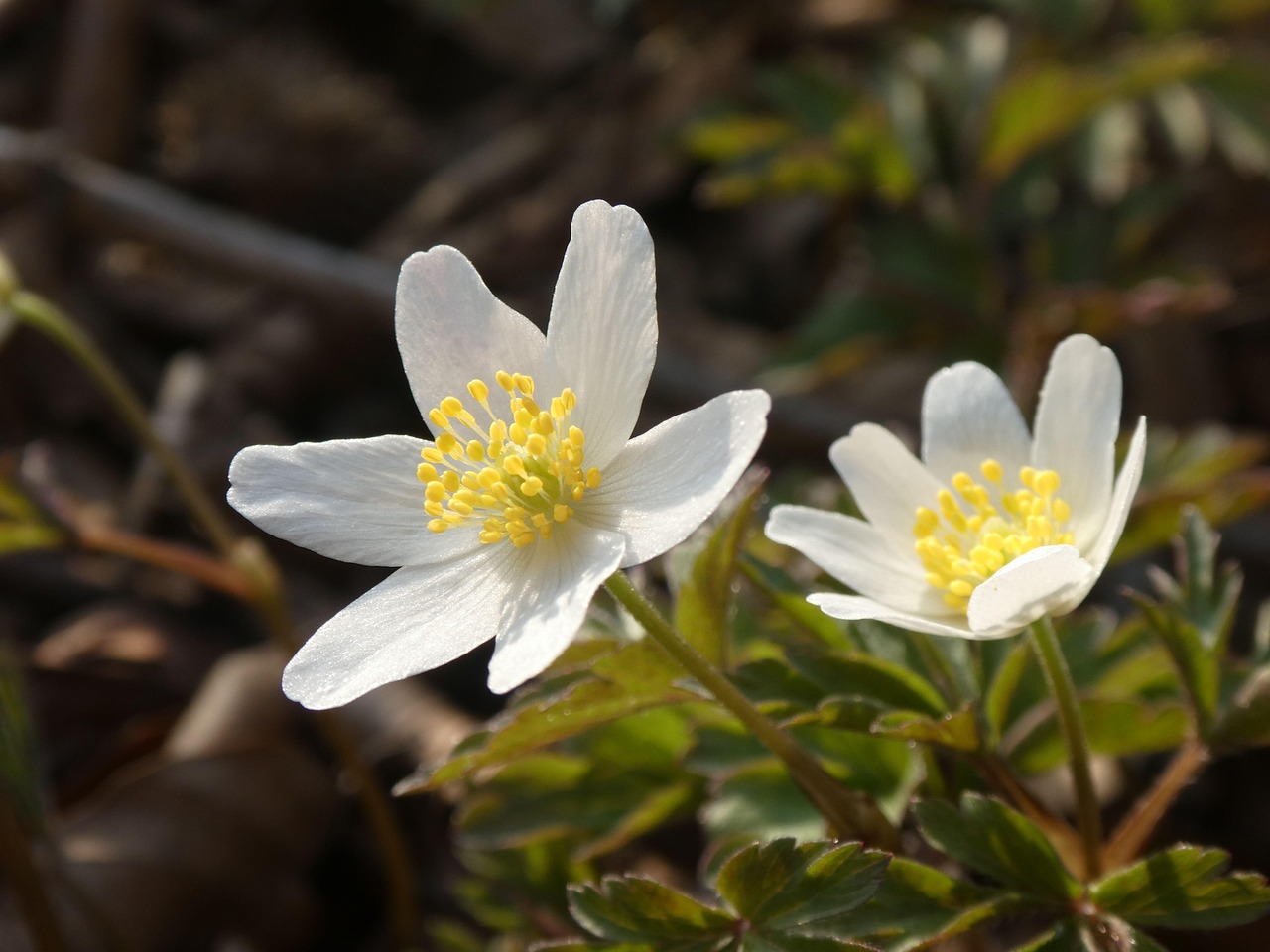
And the thin anemones.
Only the keeper sees
That, where the ring-dove broods,
And the badgers roll at ease,
There was once a road through the woods.
Yet, if you enter the woods
Of a summer evening late,
When the night-air cools on the trout-ringed pools
Where the otter whistles his mate,
(They fear not men in the woods,
Because they see so few.)
You will hear the beat of a horse's feet,
And the swish of a skirt in the dew,
Steadily cantering through
The misty solitudes,
As though they perfectly knew
The old lost road through the woods...
But there is no road through the woods.
日本語訳
森を通る道
森を通る道は閉ざされた
七十年前に。
天気と雨が森を元に戻した、
今では誰も絶対に分からないだろう、
木々が植えられる前に
かつて森を通る道があったことを。
その道は低林とヒースの下にある、
それに淡い色のアネモネの下に。
ただ森の番人だけは知っている、
モリバトが卵を抱き、
アナグマがのんきに転がる場所に、
かつて森を通る道があったことを。
しかしもし、夏の晩遅く
森の中に入るなら、
夜気がマスの泳ぐ池を冷やすとき、
カワウソがメスに合図を送るところで、
(彼らは森の中では人間を恐れない、
人間を見ることはほとんどないから)
夜露の中、馬の足音と、
スカートのこすれる音が聞こえるだろう、
霧がかる孤独の中を、
落ち着いてゆっくりと駆けていく音が。
それはまるで完全に知っているかのよう、
森を通る失われた古い道を……
でも、森を通る道はない。
詩の内容
第1連ではかつてあった道が閉鎖され、森に飲み込まれてしまっている様を描いています。
そこから受ける印象は自然の凄まじさ、人間の作ったもののはかなさでしょうか。
閉鎖されたのは七十年も前のことで、もう誰も道のあったことは知りません。
ただ森の番人は知っています。
しかし七十年も前ならこの番人はまだ生まれていないかもしれません。
なのになぜ知っているのでしょうか。そのヒントが第2連になります。
第2連になるといきなり雰囲気が変わります。
夏の夜遅く、森の中で聞こえる馬の足音とスカートのこすれる音。
これは亡霊でしょうか。
スムーズに通れる道などないのです。
雰囲気がいきなり怪談めいた状況になります。
森の番人はそのことを知っているのでしょう。
本人が体験したのかもしれません。
七十年前に何があったのか。
なぜ道は閉ざされてしまったのか。
その答えはありません。
ないために、読者の想像力をいやでも刺激します。
勝手に想像すれば、七十年前までは森を通る道があり、その道の先には立派な館があったのかもしれません。
道はroadという語が使われています。
ふつう森の中の道はpathといいます。
細道のことです。
roadというのは馬車が通るような幅の広い道のことです。
だからきっと森は貴族か地主の所有地で、その道はその館に通じていたのでしょう。
きっとそこには女性が住み、よく馬に乗っていたのかもしれません。
馬に乗れるくらいですから裕福な女性だったのでしょう。
でもそこでなにか悲惨な出来事が起こり、それで道も閉鎖されてしまったのかもしれません。
もう館も道も道に飲み込まれ、跡形もありませんが、でも今でも浮かばれぬ亡霊がさまよっているということでしょうか。
そんなことを読者に想像させる詩になっています。
韻律の分析
They shut | the road | through the woods
Sev-en-|ty years | a-go.
Weath-er | and rain | have un-done | it a-gain,
And now |you would nev-|er know
There was once | a road | through the woods
Be-fore | they plant-|ed the trees.
It is un-|der-neath | the cop-|pice and heath,
And the thin | a-nem-|o-nes.
On-ly | the keep-|er sees
That, where | the ring-| dove broods,
And the bad-|gers roll | at ease,
There was once | a road | through the woods.
基本的なリズムは「弱・強」ですが、「強・弱」や「弱・弱・強」が混ざります。
1行の詩脚数は3と4が混ざり合います。
脚韻は少し複雑な構造を取っています。
まず1行目のwoodsは5行目と12行目で繰り返され、同一韻を構成します。
2行目のagoは4行目のknowと、6行目のtreesは8行目のanemonesと、9行目のseesは11行目のeaseと脚韻を踏みます。
脚韻を踏まない3行目のagainは同じ行中のrainと中間韻を踏み、7行目のheathも同じ行中のunderneathと中間韻を踏みます。
10行目のbroodsは12行目のwoodsと脚韻を踏みます。
文中の韻としては、3行目のundoneがrain, againと/n/の子韻を踏みます。
4行目にはnow, never, knowの/n/の頭韻があります。
9行目のkeeper, seesに/iː/の母韻、10、11行目にbroods, badgersに/b/の頭韻、同じくbadgers, easeが前後のbroods, woodsと/z/の子韻を踏んでいます。
Yet, if | you en-|ter the woods
Of a sum-|mer eve-|ning late,
When the night-|air cools | on the trout-|ringed pools
Where the ot-|ter whistles | his mate,
(They fear | not men | in the woods,
Be-cause | they see | so few.)
You will hear | the beat |of a hors-|e's feet,
And the swish | of a skirt | in the dew,
Stead-i-|ly can-|ter-ing through
The mist-|y sol-|i-tudes,
As though | they per-|fect-ly knew
The old | lost road | through the woods...
But there | is no | road through | the woods.
脚韻は第1連とほぼ同じ形を取ります。
すなわち1行目のwoodsは5、12、13行目のwoodsと同一韻です。
2行目のlateは4行目のmateと、また6行目のfewは8行目のdewと、9行目のthroughは11行目のknewと脚韻を踏みます。
一方、3行目のpoolsは同行中のcoolsと中間韻、7行目のfeetも同行中のbeatと中間韻を踏みます。
10行目のsolitudesは12行目のwoodsと脚韻を踏みます。
文中では2行目のlateは3行目のnight, troutと/t/の子韻、coolsはpools, whistlesと/z/の子韻を踏みます。
4、5行目のwhistles, woodsは/w/の頭韻および/z/の子韻、さらに6行目のBecauseとも子韻を踏みます。
7行目のhear, horse'sは/h/の頭韻、8行目のswish, skirt, さらに9行目のSteadilyと/s/の頭韻、12行目のold, roadは/d/の子韻となります。