The Child at the Window
Remember this, when childhood's far away;
The sunlight of a showery first spring day;
You from your house-top window laughing down,
And I, returned with whip-cracks from a ride,
On the great lawn below you, playing the clown.
Time blots our gladness out. Let this with love abide . . .
The brave March day; and you, not four years old,
Up in your nursery world — all heaven for me.
Remember this — the happiness I hold —
In far off springs I shall not live to see;
The world one map of wastening war unrolled,
And you, unconscious of it, setting my spirit free.
For you must learn, beyond bewildering years,
How little things beloved and held are best.
The windows of the world are blurred with tears,
And troubles come like cloud-banks from the west.
Remember this, some afternoon in spring,
When your own child looks down and makes your sad heart sing.
日本語訳
窓辺の子供
シーグフリード・サスーン
覚えていてほしい、子供時代をはるか過ぎても、
あのにわか雨のよく降る春の最初の日の日の光を。
あの時、お前は屋根窓から下を見て笑い、
私は馬に乗ったまま、ムチを鳴らしてそれに応えた、
お前の見おろす広い芝生の上で、道化役者の真似をして。
時はあの喜びを消し去った。でも愛あれば忘れずにいてほしい…
あのすばらしい三月の日、お前はまだ四歳にもならず、
上の子供部屋にいた――私には天国のような世界に。
覚えていてほしい――あの時、私の抱いた幸せを――
春の巡りくるたびに、私がもう死んでしまっていても。
世界中にすべてを破壊する戦火が広がっていた、
でもお前は、何も知らずに、私の心を自由にしてくれたのだ。
お前もまた、心悩ます年月を過ぎれば知るに違いない、
どんなに小さなことも、何にもまして愛され、心に残ることを。
世界の窓という窓は涙にかすみ、
苦しみは西から厚く垂れこめた暗雲のようにやって来る。
覚えていてほしい、いつか春の昼下がり、
お前の子供が下を見おろし、お前の悲しみの心を弾ませるときに。
詩の内容
サスーンは第一次世界大戦などの戦争に兵士として加わりながら、自分の体験した戦争の悲惨さを詩に描いた詩人です。
この家庭的な詩でも戦争の影は色濃く反映されています。
「にわか雨のよく降る春の日」という何気ない表現も、最後の連で「世界中の窓という窓は涙にかすみ」とか、「苦しみは西から厚く垂れこめた暗雲のようにやって来る」という表現と重ね合わせると、戦争のさなかの春の日に、という暗示になってきます。
にわか雨とは繰り返し起こる戦いで、「日の光」が一時的に差しているようですが、戦争のさなかに得られた束の間の休息ということでしょうか。
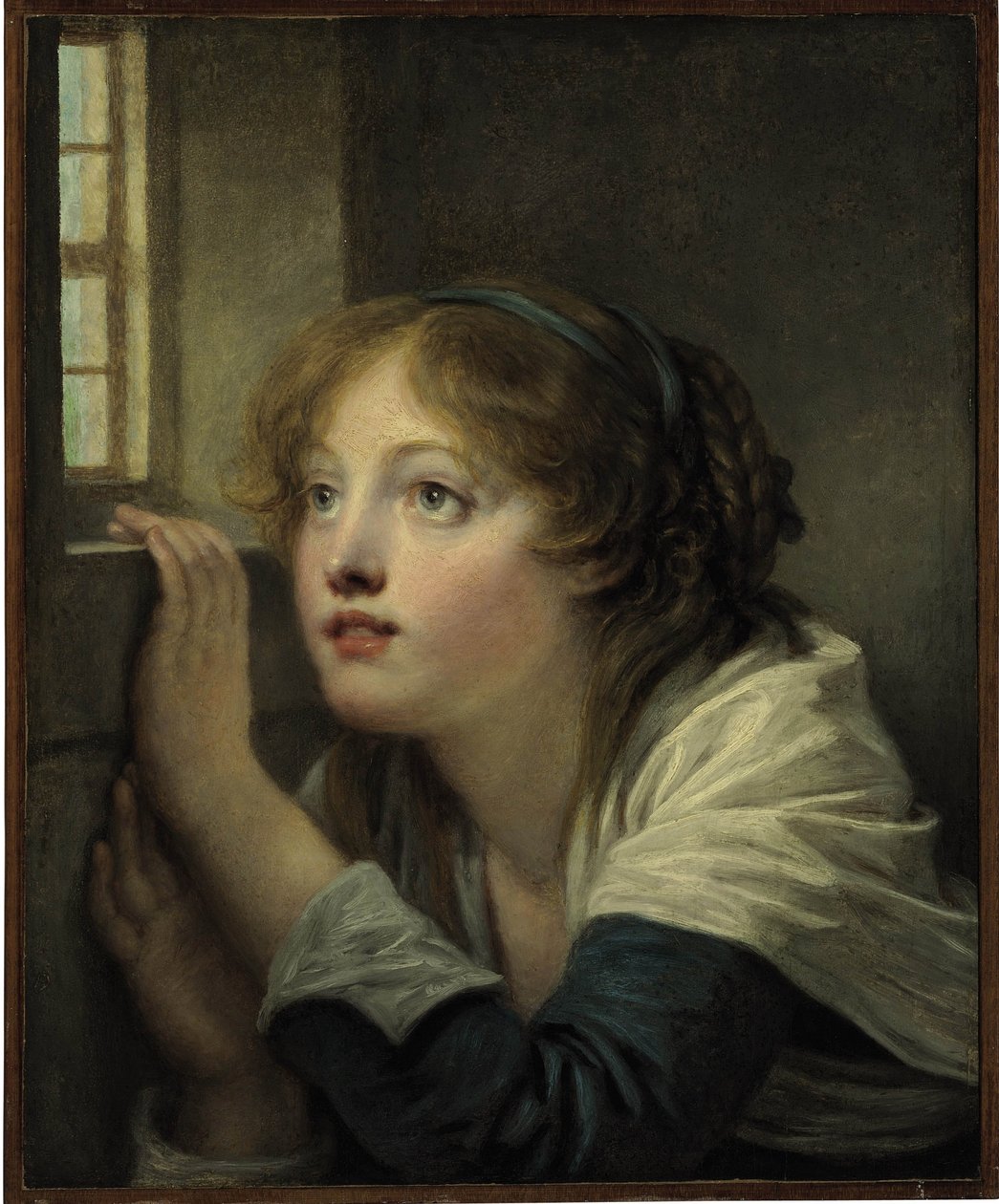
そんな時に戦争から家に帰ってきた詩人は屋根裏部屋の窓から父親を見つけてほほえむ子供と目が合います。
父親である詩人はその幼い息子の笑顔に応え、ムチを振って道化の振りをして笑わせたのでしょう。
ほんの一瞬のささいな出来事ですが、その一瞬の幸せが、その後もずっと詩人の心に残り、何度も何度も心はその思い出へ戻っていきます。
その喜びに、詩人は息子に、これから大人になり、自分が死んでしまっても、春が訪れるたびにそのささやかな思い出を思い起こしてほしいと願っています。
とりわけ息子が大人になり、その子供が上の窓から父親を見てほほえむときに、昔、父親(詩人)が子供の笑顔を見てどんなに幸せだったかを知ってほしいと思っています。
戦争のさなかに得られたほんの束の間の父子の触れ合い、それは小さなほほえみであっても、嵐の中に見出す宝石の輝きにもまして貴いものなのでしょう。
文法面では、詩では使える語数が限られ、かつ文法ではなくリズムや韻などの音楽が重視されますので、省略や暗示や倒置などが容易に起こります。
第1連最終行のLet this with love abideは、本来の語順はLet this abide with loveです。
第2連1行目でMarch dayにbraveという形容詞がつくことはちょっと違和感を覚えます。
braveには古い意味として、すばらしいという意味がありますが、ここでは戦争で勇敢に戦ったという意味合いがあるように思えます。
4行目のseeの目的語はspringsになります。
その名詞のあとに関係代名詞が省略されています。
springsは複数形ですので、巡りくる幾つもの春に、という意味合いがあります。
5行目の本来の語順はThe world unrolled one map of wastening warです。
世界中に戦火が広がることを、世界が地図を広げるという言い方で擬人化しています。
wasteningは本来はwastingとすべきですが、リズムを合わせるために3音節にしています。
第3連2行目は本来はHow little things are best beloved and heldという語順になります。
韻律の分析
「弱・強」のリズムを基本にし、「弱・弱・強」や「強・弱」が混ざります。
詩脚数は5-5-5-5-6で、最後の行だけ1詩脚分多くなっています。
脚韻は各連のすべての行にありますが、その形は連によって異なっています。
Re-mem-|ber this, | when child-|hood's far | a-way;
The sun-|light of | a show-|er-y first | spring day;
You from | your house-|top win-|dow laugh-|ing down,
And I, | re-turned | with whip-|cracks from | a ride,
On the | great lawn | be-low | you, play-|ing the clown.
Time blots | our glad-|ness out. | Let this | with love | a-bide . . .
脚韻はaabcbcの形です。すなわちawayとday、downとclown、rideとabideです。
文中の韻では1~3行目のfar, first, fromの/f/の頭韻、2行目のsunlight, springの/s/の頭韻、2,3行目のspring, laughingの/ing/の韻、3行目のhouse, downの/au/の母韻、3,4行目のwindow, whipの/w/の頭韻、4行目のreturned, rideの/r/の頭韻と/d/の子韻、5行目のOn, lawn, clownの/n/の子韻、lawn, be-lowの/l/の頭韻、6行目のblots, gladness, thisの/s/の子韻、Let, loveの/l/の頭韻などがあります。
The brave | March day; | and you, | not four | years old,
Up in | your nurs-|er-y world | — all heav-|en for me.
Re-mem-|ber this | — the hap-|pi-ness | I hold —
In far | off springs | I shall | not live | to see;
The world | one map | of wast-|en-ing war | un-rolled,
And you, | un-con-|scious of | it, set-|ting my spir-|it free.
脚韻はabababの形です。すなわちoldとholdとunrolled、meとseeとfreeです。
文中の韻では1、2行目のold, worldの/d/の子韻、2、3行目のheaven, happiness, holdの/h/の頭韻、3行目のthis, happinessの/s/の子韻、4行目のsprings, seeの/s/の頭韻、5行目のworld, wasteningの/w/の頭韻、world, unrolledの/d/の子韻、5,6行目のwastening, settingの/ing/の韻、6行目のsetting, spiritの/s/の頭韻などがあります。
For you | must learn, | be-yond | be-wil-|der-ing years,
How lit-|tle things | be-loved | and held | are best.
The win-|dows of | the world | are blurred | with tears,
And trou-|bles come | like cloud-|banks from | the west.
Re-mem-|ber this, | some af-|ter-noon | in spring,
When your | own child | looks down | and makes | your sad | heart sing.
脚韻はababccの形です。すなわちyearsとtears、bestとwest、springとsingです。
文中の韻では1~3行目のbeyond, bewildering, beloved, best, blurredの/b/の頭韻、beyond, beloved, held, world, blurredの/d/の子韻、2行目のlittle, be-lovedの/l/の頭韻、3行目のwindows, worldの/w/の頭韻、windows, tearsの/z/の子韻、3、4行目のtears, troublesの/t/の頭韻と/z/の子韻、4行目のcome, cloudの/k/の頭韻、come, fromの/m/の子韻、5、6行目のafternoon, When, own, downの/n/の子韻、6行目のchild, sadの/d/の子韻、looks, makesの/s/の子韻、sad, singの/s/の頭韻などがあります。