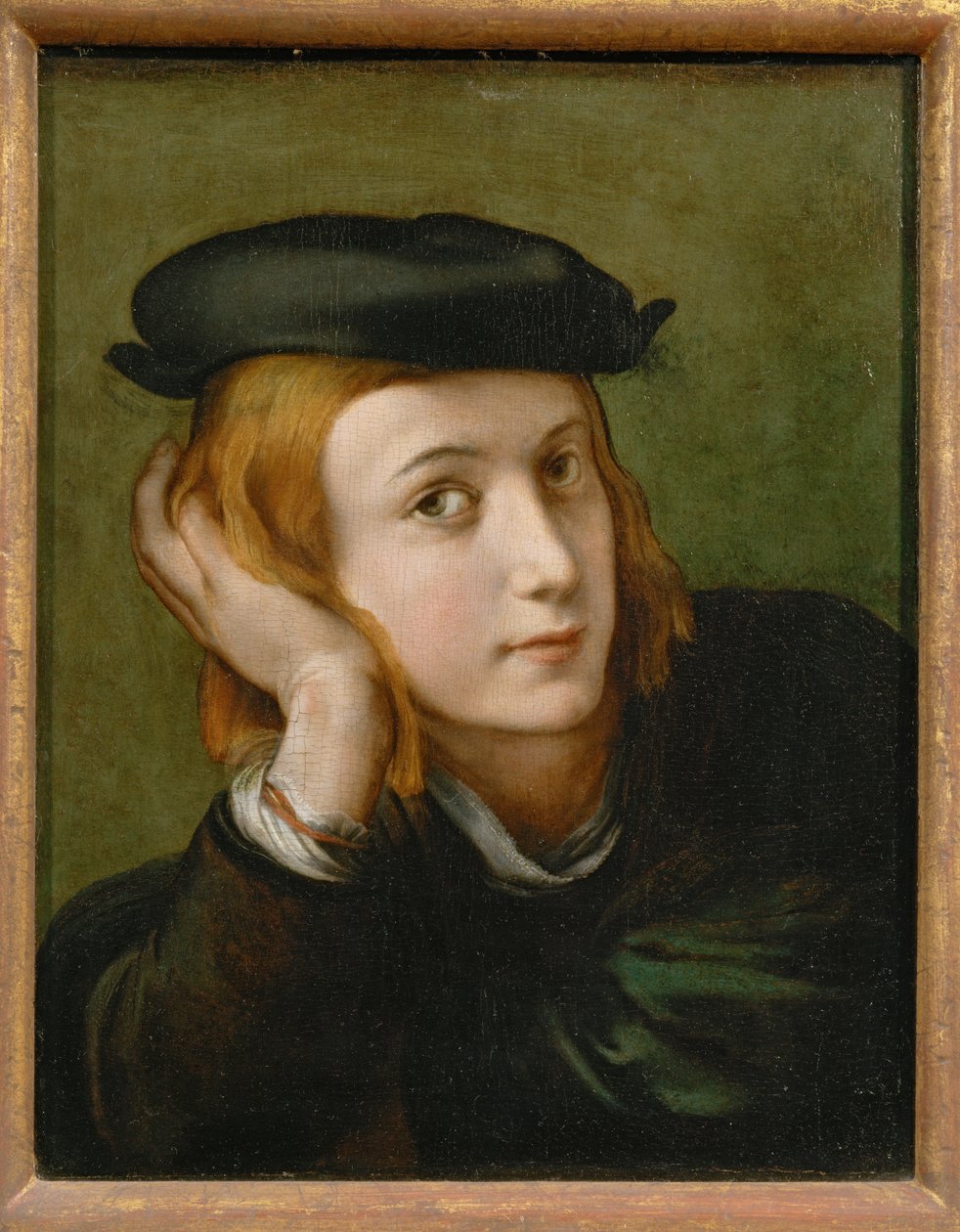
How can I then return in happy plight
How can I then return in happy plight,
That am debarred the benefit of rest?
When day's oppression is not eas'd by night,
But day by night and night by day oppressed,
And each, though enemies to either's reign,
Do in consent shake hands to torture me,
The one by toil, the other to complain
How far I toil, still farther off from thee.
I tell the day, to please him thou art bright,
And dost him grace when clouds do blot the heaven:
So flatter I the swart-complexion'd night,
When sparkling stars twire not thou gild'st the even.
But day doth daily draw my sorrows longer,
And night doth nightly make grief's length seem stronger.
日本語訳
どうしたら幸せな状態に戻れるだろう
どうしたら幸せな状態に戻れるだろう、
こんなふうに休息の恩恵を妨げられているなら。
昼の苦しみは夜が来ても和らげられず、
昼は夜のため、夜は昼のために苦しめられるばかり、
そのどちらも、お互いの領域では敵のはずなのに、
私を苦しめることでは一致して協力し合う、
昼は苦労、夜は不平を私にもたらすことで、
どれだけ前に進んでも、いつもあなたから遠ざかるばかり。
昼を喜ばせようと言ってやる、雲が天を汚しても、
恋人は明るいから代わりになると。
同様に、黒い顔の夜のご機嫌を取って言ってやる、
星がきらきら輝かなくても、恋人が夜を金に染めると。
しかし昼は日々私の悲しみを長くするばかりだし、
夜は夜ごとに嘆きの長さを強くするばかり。
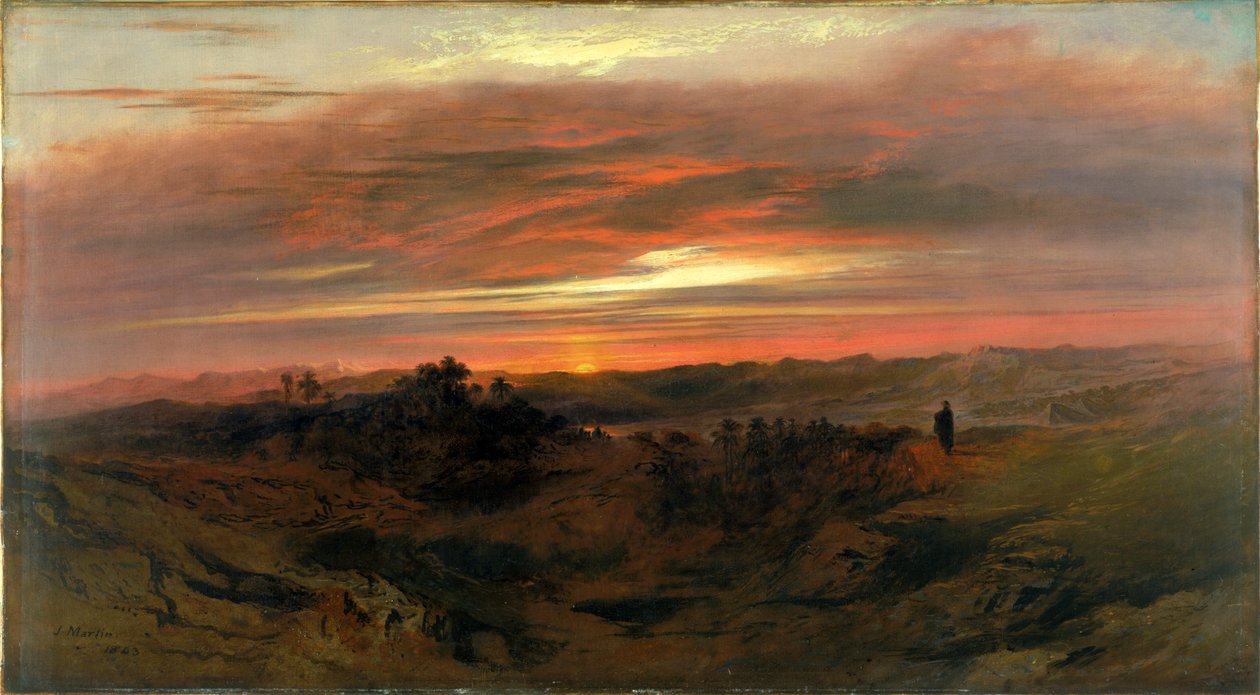
詩の内容
内容的には前のソネット27番の続きになります。
昼は仕事に疲れ果て、夜は愛する人への思いに疲れ果て、詩人は少しも安らぎを得ることができません。
この詩の特徴として、昼と夜を擬人化していることがあります。
昼は肉体の労苦で詩人を疲れさせ、夜は恋情の労苦で詩人を疲れさせ、それはまるで昼と夜が結託して私を追い込もうとしているかのようです。
昼も夜も詩人にとっては自分に苦しみを与える存在であり、いわば敵です。
だから詩人は昼と夜をなだめ、ご機嫌を取って、仲良くしようと思います。
そうすれば少しは苦しみも減るだろうと思って。
それゆえ、まるで人に対して言うように、昼と夜にそれぞれ慰めの言葉をかけます。
昼の場合、空に雲がかかれば、それは世界を明るく照らす昼にとっては恥ずべきことかもしれません。
しかし詩人は、私の心には恋人がいていつも明るいから大丈夫と昼を安心させます。
夜に対しても、雲が星を隠して真っ暗になり、夜に求められる役割を果たせなくなっても、恋人への思いが夜空を明るくするから大丈夫と言って安心させます。
しかしそうして仲良くしようとしても、昼も夜もそれで私に手加減を加えることはなく、容赦なく私を苦しめるばかりです。
文法的な説明を加えます。
2行目のThat amのThatは1行目のIにかかる関係代名詞です。
8行目のHow far以下の文は7行目のcomplainの目的語になる文です。
9行目の文は、I tell the day to please him that my beloved is brightが本来の形です。
himはthe dayのこと、文全体を恋人への語り掛けにしたので、my beloved isの部分がthou art (=you are)に変わりました。
10行目のdostの主語はthouです。
今日ではyou doの形になります。
古い英語では主語がthouのときには動詞には-st、あるいは-estの語尾が付きました。
12行目のgild'stも-stという語尾が付いていますから、主語は直前のthouです。
13、14行目のdothの-thは主語が三人称のときに付く語尾で、今のdoesに相当します。
このように二人称単数形を主語とする動詞には昔はちゃんと語尾が付きましたが、thouという二人称代名詞が消滅し、youに置き換わったことで、その語尾も一緒に消滅しました。
三人称単数の場合の語尾はdothがdoesに変わって残っています。
また12行目のevenはeveningのことです。
nightが太陽の沈んだ時から日の出までの時間帯なら、eveningは日没から人が就寝するまでの活動の時間帯を言います。
日本語の夜と晩の違いに相当するでしょうか。
韻律の分析
韻律を調べます。
「弱・強」が基本のリズムで、1行にそれが5回続きます。
全体は14行の構成で、それが4-4-4-2というように四つの部分に分かれ、内容的に起承転結の形になります。
How can | I then | re-turn | in hap-|py plight,
That am | de-barred | the ben-|e-fit | of rest?
When day's | op-pres-|sion is | not eas'd | by night,
But day | by night | and night | by day | op-pressed,
And each, | though en-|e-mies | to ei-|ther's reign,
Do in | con-sent | shake hands | to tor-|ture me,
The one | by toil, | the oth-|er to | com-plain
How far | I toil, | still far-|ther off | from thee.
I tell | the day, | to please | him thou | art bright,
And dost | him grace | when clouds | do blot | the heav-en:
So flat-|ter I | the swart-|com-plex-|ion'd night,
When spar-|kling stars | twire not | thou gild'st | the e-ven.
But day | doth dai-|ly draw | my sor-|rows long-er,
And night | doth night-|ly make | grief's length | seem strong-er.
脚韻はabab-cdcd-efef-ggの形、すなわちplightとnight、restとoppressed、reignとcomplain、meとthee、brightとnight、heavenとeven(女性韻)、longerとstronger(女性韻)になります。
なおこのソネットに限り、aとeは同じになります。
文中の韻では、How, happyの/h/の頭韻、can, then, returnの/n/の子韻、plight, That, benefit, rest, night, But, night, night, oppressedの/t/の子韻、debarred, day's, dayの/d/の頭韻、de-barred, benefitの/b/の頭韻、debarred, eas'dの/d/の子韻、oppressed, each, enemies, either's, inの母音による頭韻、enemies, either's, handsの/z/の子韻、day, reign, shake, complainの/ei/の母韻、consent, complainの/k/の頭韻、torture, toilの/t/の頭韻、toil, still, tellの/l/の子韻、How, thou, cloudsの/au/の母韻、far, farther, fromの/f/の頭韻、day, dostの/d/の頭韻、day, graceの/ei/の母韻、art, bright, dost, blot, flat-ter, swart, night, not, gild'st, But, nightの/t/の子韻、clouds, complexion'dの/k/の頭韻、So, swart, sparkling, stars, sorrows, seem strongerの/s/の頭韻、day, doth, daily, draw, dothの/d/の頭韻、day, daily, night, nightly, makeの/ei/の子韻、grief's, seemの/iː/の母韻などがあります。
とりわけ最後の2行のday doth daily drawの/d/の連続や、draw, sorrows, longerの/ɔ(ː)/の連続、day, daily, night, nightly, makeの/ei/の連続は、詩人の苦しみが日夜連続していく感覚を表しています。