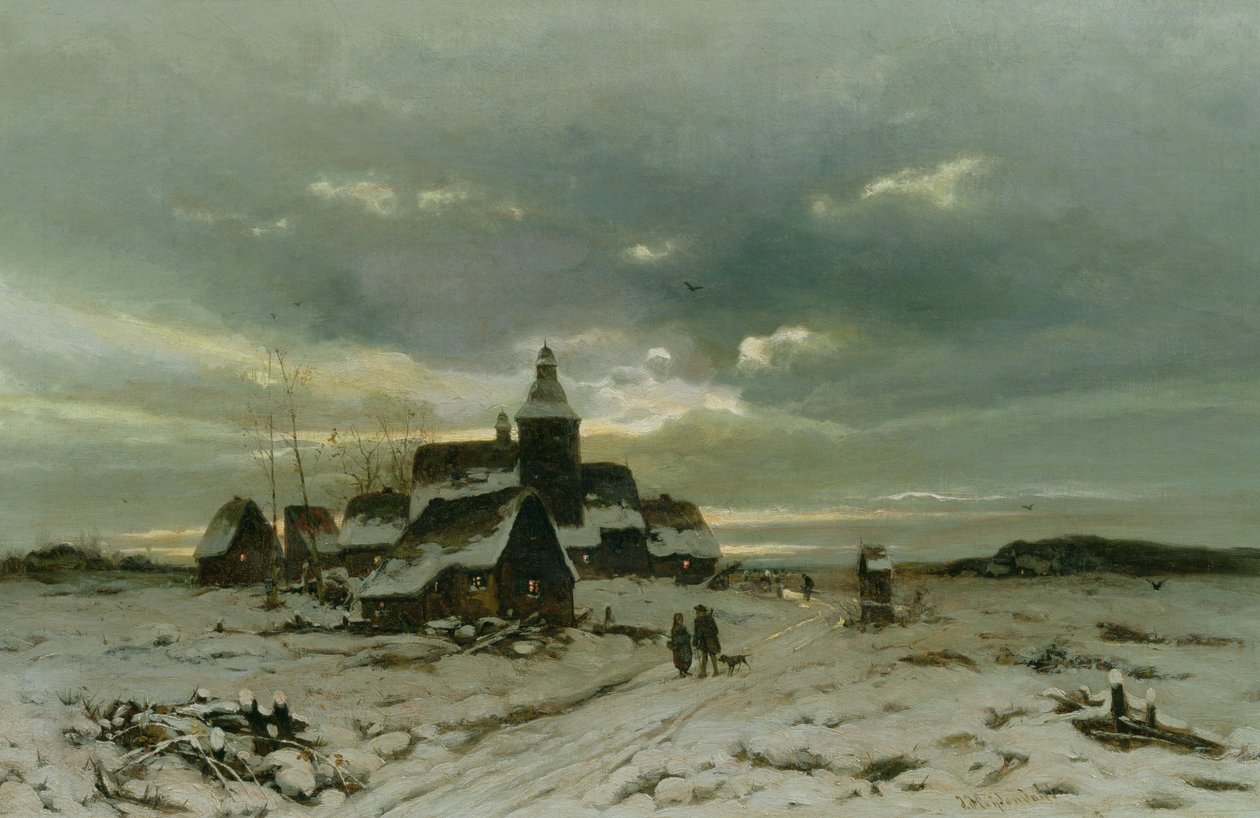
I never shall love the snow again
I never shall love the snow again
Since Maurice died:
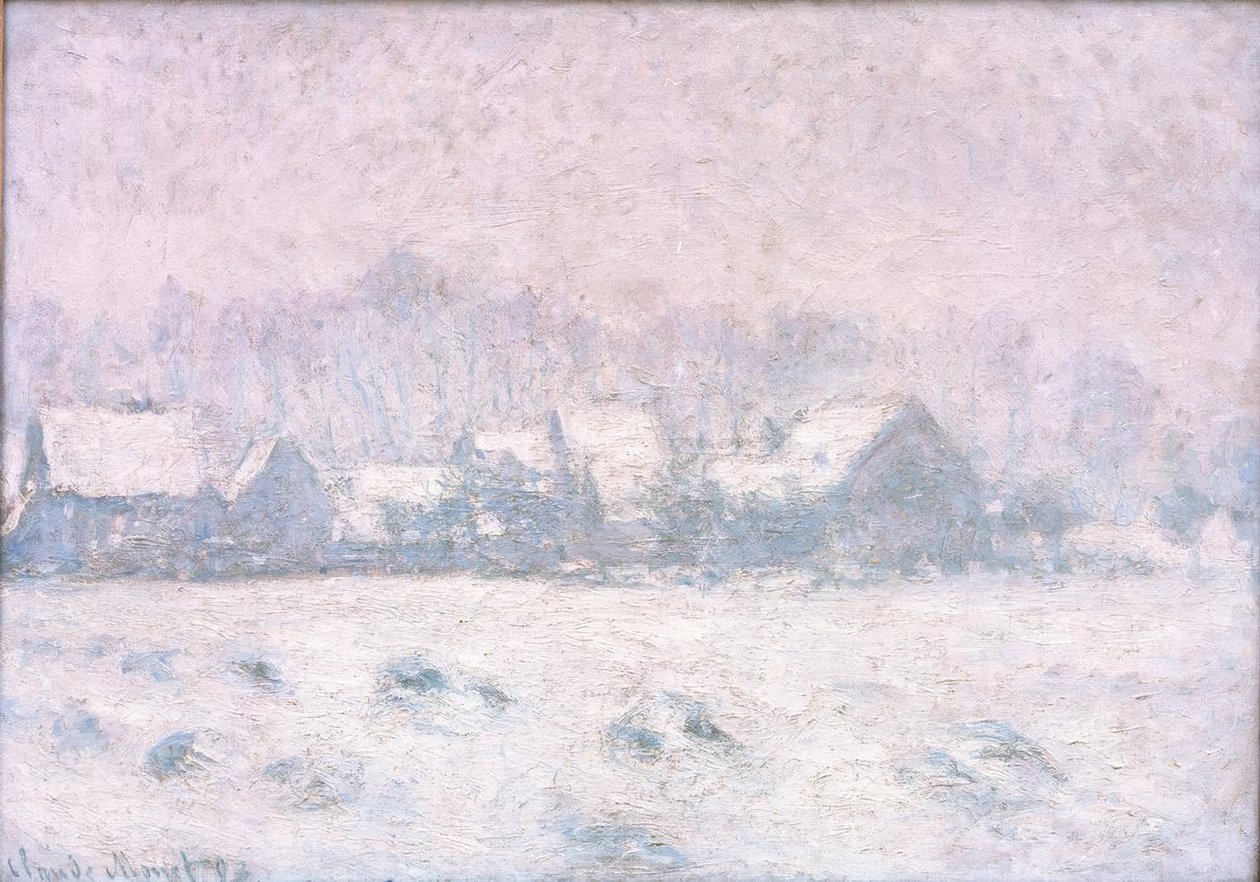
With corniced drift it blocked the lane,
And sheeted in a desolate plain
The country side.
The trees with silvery rime bedight
Their branches bare.
By day no sun appeared; by night
The hidden moon shed thievish light
In the misty air.
We fed the birds that flew around
In flocks to be fed:
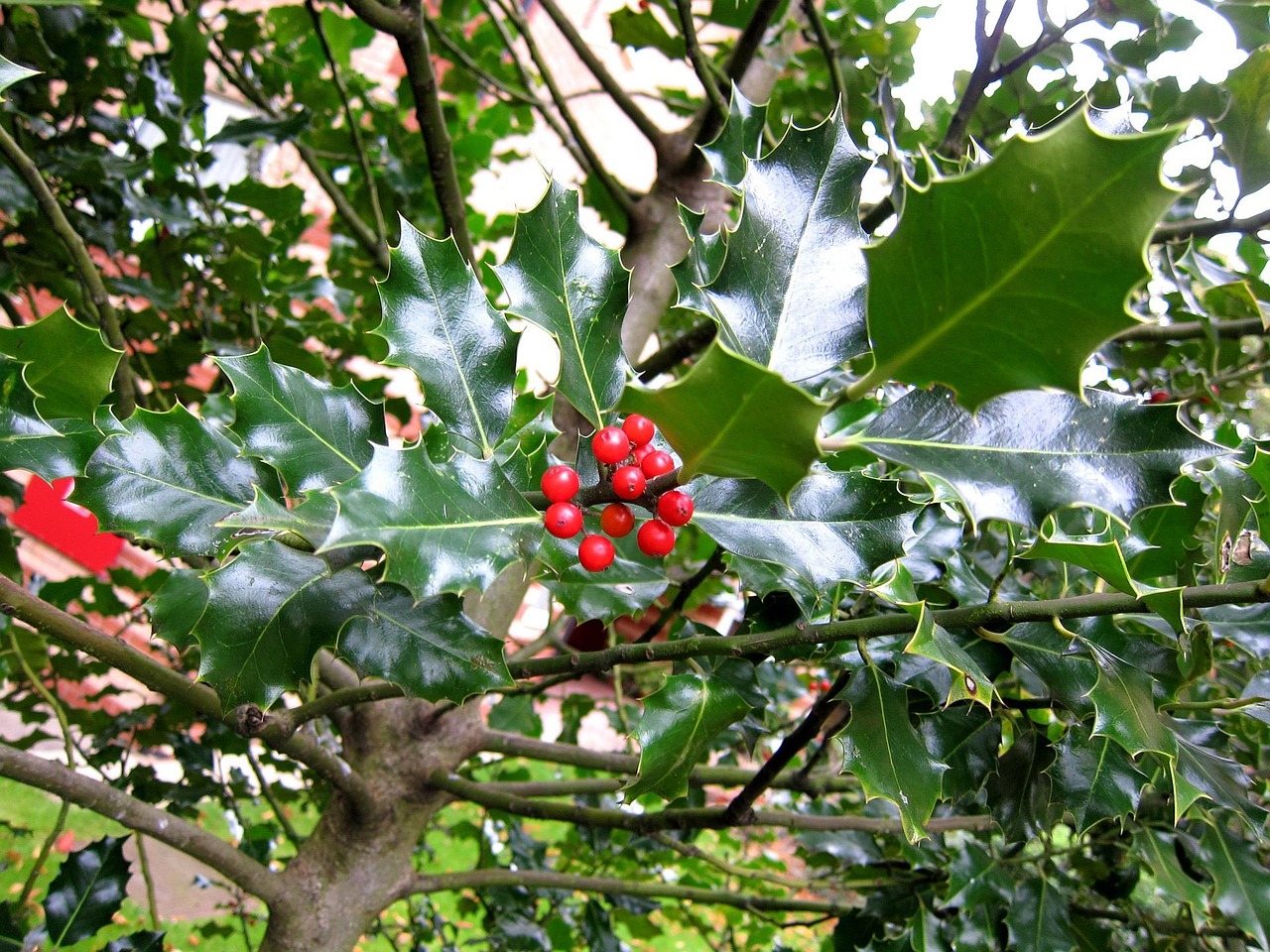
No shelter in holly or brake they found,
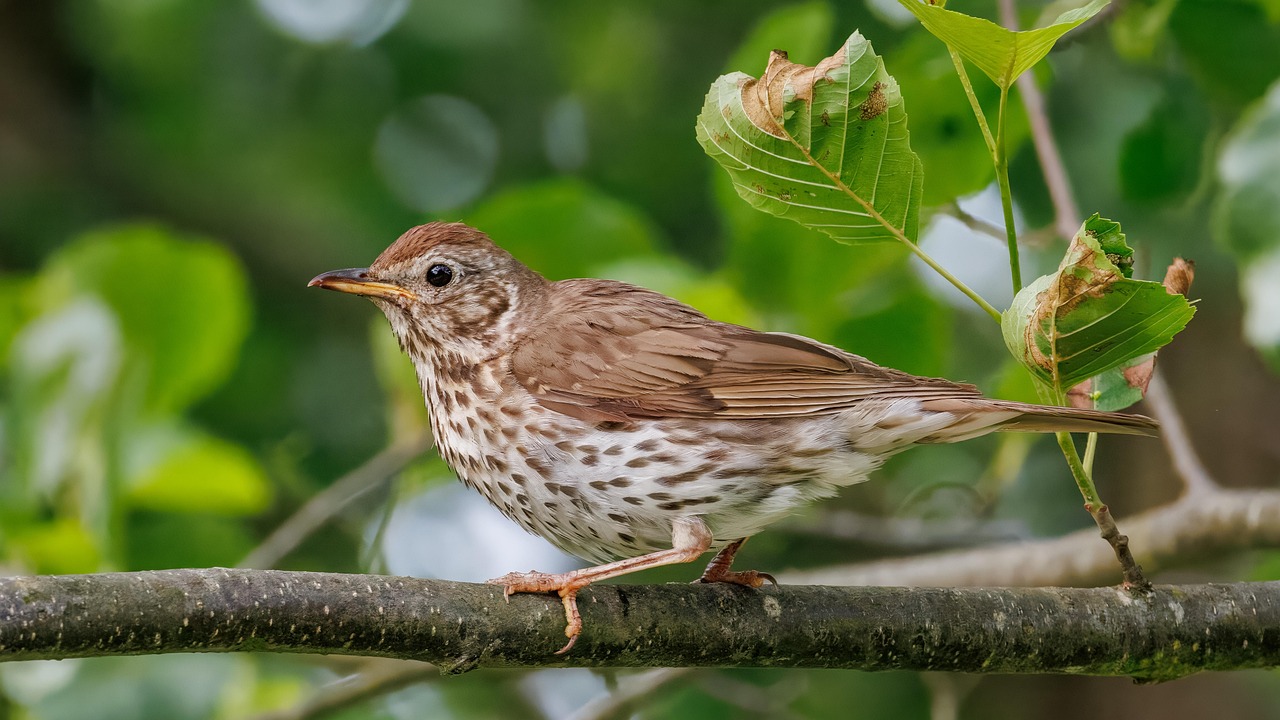
The speckled thrush on the frozen ground
Lay frozen and dead.
We skated on stream and pond; we cut
The crinching snow
To Doric temple or Arctic hut;
We laughed and sang at nightfall, shut
By the fireside glow.
Yet grudged we our keen delights before
Maurice should come.
We said, "In-door or out-of-door
We shall love life for a month or more,
When he is home."
They brought him home; 'twas two days late
For Christmas Day:
Wrapped in white, in solemn state,
A flower in his hand, all still and straight
Our Maurice lay.
And two days ere the year outgave
We laid him low.
The best of us truly were not brave,
When we laid Maurice down in his grave
Under the snow.
日本語訳
もう絶対に雪を好きになることはない
もう絶対に雪を好きになることはない、
モーリスが死んでからは。
崖端の雪の吹き溜まりで小道はふさがれ、
田園地帯は、雪のシーツをかけられて、
一面のわびしい広がりになっていた。
木々の裸の枝は
銀色の霜で飾られていた。
昼は太陽は現れず、
夜は雲に隠れた月が密やかな光を
霧がかる空中に放っていた。
えさをもらおうと飛んできた鳥の群れに
ぼくたちはえさをやった。
鳥たちには身を隠すモチノキも草むらもなかった。
斑点のあるツグミが凍った地面の上に
死んで凍って横たわっていた。
ぼくたちは川や池でスケートをした、
ぼくたちは雪をザクザクと切って
ドーリア式の寺院や北極の小屋を作った。
夜が落ちると、炉辺の明かりに照らされて、
ぼくたちは笑い、歌った。
でもモーリスが来るまでは
ぼくたちは激しい喜びは差し控えた。
「家の中でも家の外でも
一か月ぐらいは楽しく暮らせるだろう、
彼が家に帰っていれば」と言って。
彼は家に運ばれてきた、
クリスマスを二日過ぎた日に。
白布に包まれ、厳かなさまで、
手には花を持ち、まったく静かに、そしてまっすぐに、
ぼくらのモーリスは横たわっていた。
その年が終わる二日前に
ぼくたちは彼を埋葬した。
一番気丈な者さえ泣かずにはいられなかった、
モーリスを埋葬するとき、墓の中に、
雪の下に。
詩の内容
一緒に遊び、心から大切に思っていた友達が、クリスマスの二日後、白い衣に包まれて帰ってきます。
景色は一変し、楽しかった少年の世界は終わりを告げます。
その悲しみを写し、大地をおおう一面の雪は死者にかけられる白い経帷子に変わります。
太陽も月もその輝きを失い、悲しみのヴェールに包まれています。
雪は友達と寺院などを作って遊んだ楽しいものでしたが、今は親友を飲み込んだ死の色合いを帯びてしまい、もう二度と雪を好きになることはできないと感じます。
表現がストレートで読みやすい詩ですが、ところどころ注意が必要です。
2連目の1、2行目の文の本来の語順は、The trees bedight their bare branches with silvery rimeとなります。
リズムと韻を整えるために倒置形にしてあります。
bareというのは葉っぱがついていないということです。
3連目のholly(モチノキ)はその枝がクリスマスの飾りによく使われます。
そこに避難場所がないということですから、鳥にクリスマスの恵みは訪れないことの暗示になるでしょうか。
人間がえさを与えますが、近くにはツグミが凍って死んでいます。
4連目のcrinchingは辞書にない言葉ですが、内容的にはcrunchingのことと思われます。
どうして表記を変えたのでしょうね。
単なるスペルミスとは思えません。
韻律の分析
平易な内容を写して、韻律も伝統的なものになっています。
リズムは「弱・強」で、「弱・弱・強」が混ざります。
1連は5行構成で、詩脚数は4-2-4-4-2、脚韻はabaabの形です。
最初の3連だけ調べておきます。
I nev-|er shall love | the snow | a-gain
Since Mau-|rice died:
With cor-|niced drift | it blocked | the lane,
And sheet-|ed in | a des-|o-late plain
The coun-|try side.
脚韻はagainとlaneとplain、diedとsideです。
文中の韻ではnev-er, loveの/v/の子韻、snow, Sinceの/s/の頭韻、Since, Mauriceの/s/の子韻、died, driftの/d/の頭韻、corniced, drift, blocked, sheet-ed, desolateの/t/の子韻などがあります。
The trees | with sil-|ver-y rime | be-dight
Their branch-|es bare.
By day | no sun | ap-peared; | by night
The hid-|den moon | shed thiev-|ish light
In the mist-|y air.
脚韻はbedightとnightとlight、bareとairです。
文中の韻ではrime, bedightの/ai/の母韻、bedight, branches, bareの/b/の頭韻、sun, hidden, moonの/n/の子韻、moon, mistyの/m/の頭韻、light, mist-yの/t/の子韻などがあります。
We fed | the birds | that flew | a-round
In flocks | to be fed:
No shel-|ter in hol-|ly or brake | they found,
The speck-|led thrush | on the fro-|zen ground
Lay fro-|zen and dead.
脚韻はaroundとfoundとground、fedとdeadです。
文中の韻ではfed, flew, flocks, fed, found, frozen, frozenの/f/の頭韻、fed, around, fed, found, speckled, ground, deadの/d/の子韻、shel-ter, hol-lyの/l/の子韻などがあります。