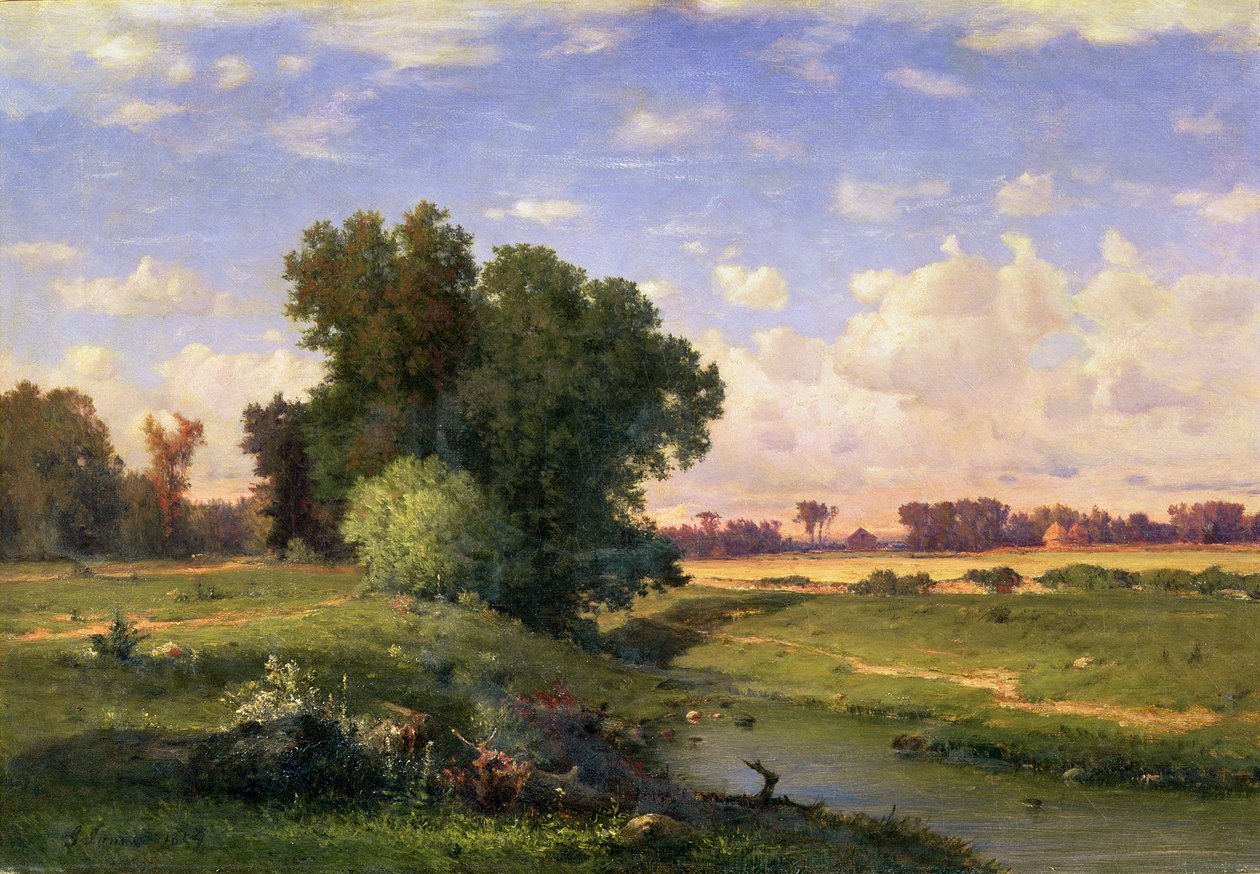
The Tewkesbury Road
It is good to be out on the road, and going one knows not where,
Going through meadow and village, one knows not whither or why;
Through the grey light drift of the dust, in the keen cool rush of the air,
Under the flying white clouds, and the broad blue lift of the sky.
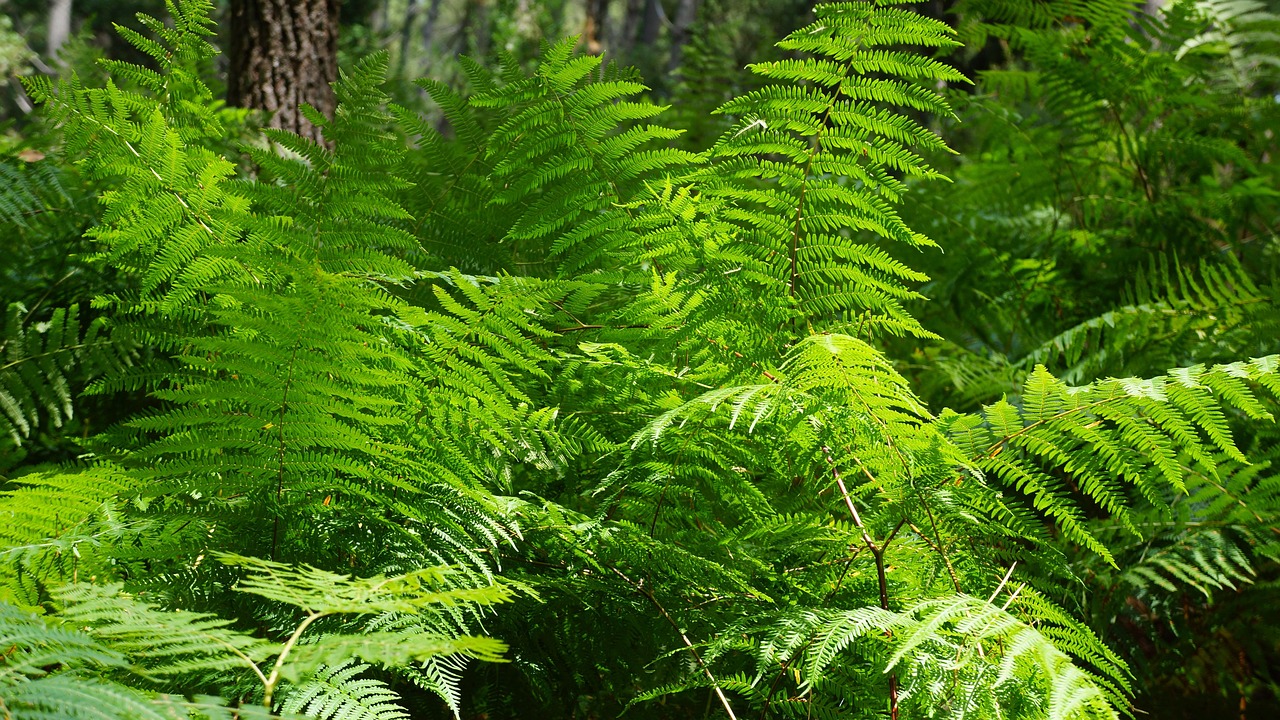
And to halt at the chattering brook, in a tall green fern at the brink
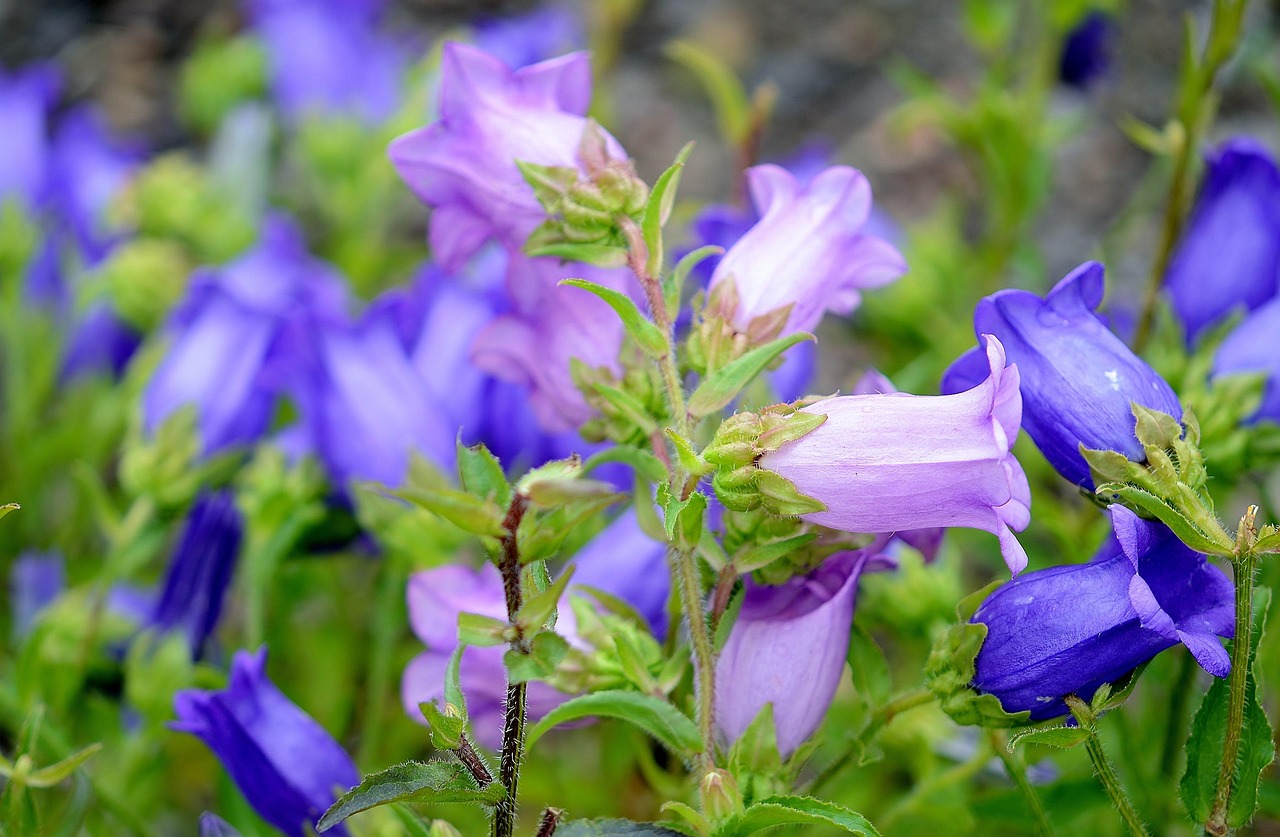
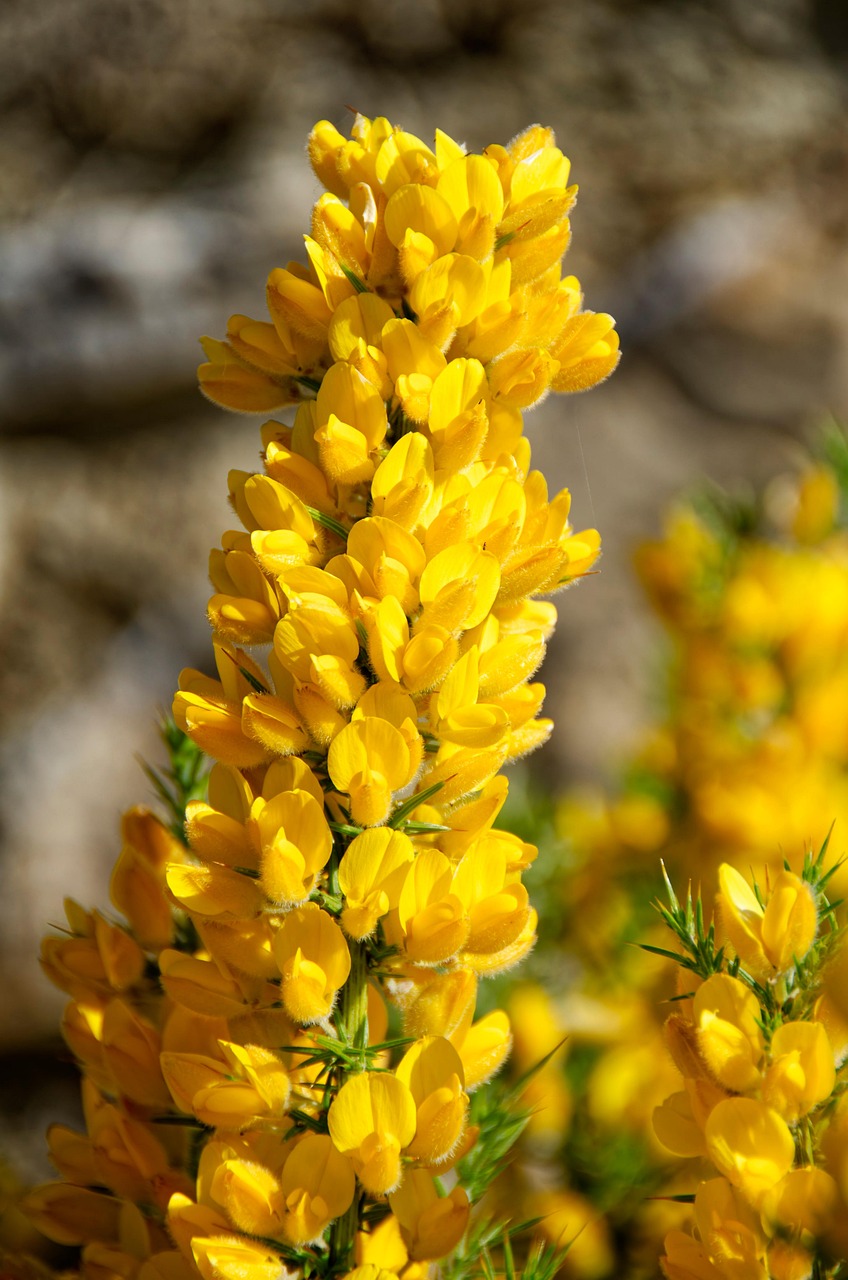
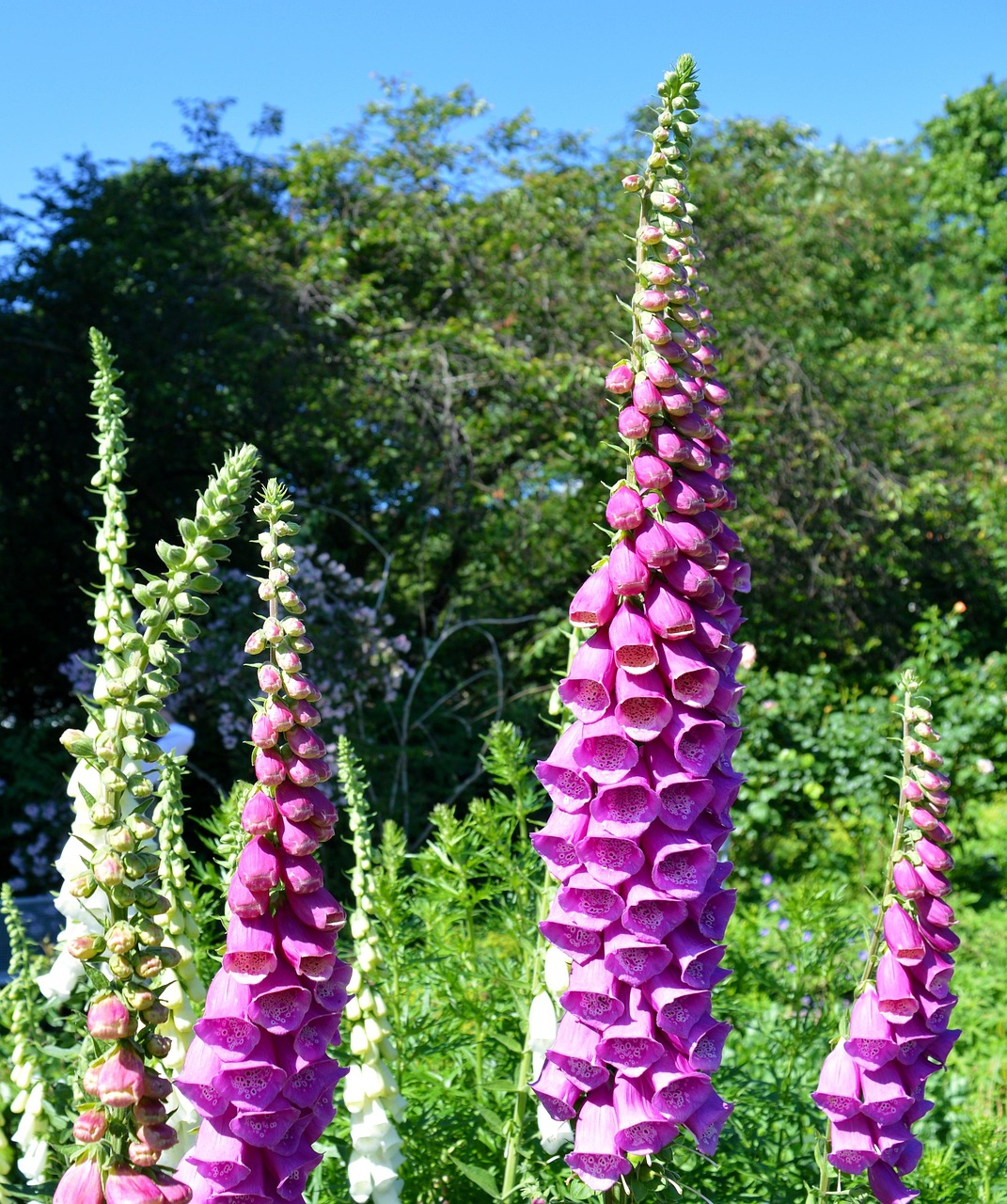
Where the harebell grows, and the gorse, and the foxgloves purple and white;
Where the shy-eyed delicate deer troop down to the brook to drink
When the stars are mellow and large at the coming on of the night.
O, to feel the beat of the rain, and the homely smell of the earth,
Is a tune for the blood to jig to, and joy past power of words;
And the blessed green comely meadows are all a-ripple with mirth
At the noise of the lambs at play and the dear wild cry of the birds.
日本語訳
テュークスベリーの道
楽しきは、道に出て、いずことも知らず歩むこと、
どこに、何のためかも知らず、草原を抜け、村を抜け。
ひんやりと鋭く突風吹けば、灰色のほこり軽く漂い、
見上げれば流れゆく白雲、高く広々とした青空。
さらさらと流れる小川で足を止めれば、水辺には長き緑のシダ、
ホタルブクロやハリエニシダ、紫や白のジギタリス。
そこに内気な目の美しいシカたちが水を飲もうとやって来る、
夜が訪れ、星が大きく美しく輝くころ。
ぽつぽつと打つ雨音、大地の素朴な匂いを感じれば、
言葉に出せぬ喜びに、血はその調べに合わせて踊り出す。
緑の心地よい草原は喜びで一面さざなみのよう、
遊ぶ子羊たちの声、鳥たちのきれいで荒々しい鳴き声を聞き。
詩の内容
季節は春から夏にかけて、イギリスでは一年で一番心地よい季節です。
詩人は特に行き先も定めず、ふらっと田舎道に出て、気の向くままに歩いていきます。
そして散歩の途中で出会った光景の美しさ、心地よさをそのまま詩にしています。
さすがにもう野性のシカの群れに出くわすことはないでしょうが、小川のほとりに咲く夏の花、子羊や鳥たちの鳴き声、緑豊かな草原は今でも楽しめる光景です。
雨も、決していやなものではありません。
雨が降れば大地の匂いもほのかに立ち上るのでしょう、そこに鳥たちの歌声が加われば、心は自然に弾みます。
自然全体が歓喜に包まれている感じです。
その中に浸る詩人もまた歓喜でいっぱいです。
なおテュークスベリーはバラ戦争でランカスター家がヨーク家と最後の決戦をして敗れた地として有名です。
韻律の分析
「弱・弱・強」が基本で、そこに「弱・強」や「強・強」が混ざり、行頭では「強・弱」も混ざります。
1行は6詩脚で構成され、4行で一つの連となり、それが3つ続きます。
脚韻は各連ともababの形です。
the grey light driftのように形容詞が二つ続く詩句は、形式上はthe grey | light driftとなりますが、意味を重視し、the grey | light driftのようにどちらの形容詞も強く読んでやります。
この詩ではこの形が何度か出てきます。
It is good | to be out | on the road, | and go-|ing one knows | not where,
Go-ing | through mead-|ow and vil-|lage, one knows | not whith-|er or why;
Through the grey | light drift | of the dust, | in the keen | cool rush | of the air,
Un-der | the fly-|ing white clouds, | and the broad | blue lift | of the sky.
脚韻はwhereとair、whyとskyです。
文中の韻では1行目のgood, goingの/g/の頭韻、good, roadの/d/の子韻、2行目のwhither, whyの/w/の頭韻、3行目のlight, drift, dustの/t/の子韻、drift, dustの/d/の頭韻、keen, cool, および4行目のcloudsの/k/の頭韻、Through, coolの/uː/の母韻、dust, rushの/ʌ/の母韻、4行目のwhite, liftの/t/の子韻、broad, blueの/b/の頭韻、flying, skyの/ai/の母韻などがあります。
And to halt | at the chat-|ter-ing brook, | in a tall | green fern | at the brink
Where the hare-|bell grows, | and the gorse, | and the fox-|gloves pur-|ple and white;
Where the shy-|eyed del-|i-cate deer | troop down | to the brook | to drink
When the stars | are mel-|low and large | at the com-|ing on | of the night.
脚韻はbrinkとdrink、whiteとnightです。
文中の韻では1行目のbrook, brinkの/b/の頭韻と/k/の子韻、green, fernの/n/の子韻、halt, tallの/ɔː/の母韻、2行目のgrows, gorseの/g/の頭韻、harebell, purpleの/l/の子韻、3行目のdelicate, deer, drinkの/d/の頭韻、brook, drinkの/k/の子韻、stars, largeの/aː/の母韻などがあります。
O, to feel | the beat | of the rain, | and the home-|ly smell | of the earth,
Is a tune | for the blood | to jig | to, and joy | past pow-|er of words;
And the bless-|ed green come-|ly mead-|ows are all | a-rip-|ple with mirth
At the noise | of the lambs | at play | and the dear | wild cry | of the birds.
脚韻はearthとmirth、wordsとbirdsです。
文中の韻では1行目のfeel, smellの/l/の子韻、feel, beatの/iː/の母韻、2行目のjig, joyの/dʒ/の子韻、past, powerの/p/の頭韻、3行目のmeadows, mirthの/m/の頭韻、4行目のnoise, lambs, birdsの/z/の子韻、wild, cryの/ai/の母韻などがあります。