五月のある日、詩人は林で鳴くナイチンゲールの声の美しさに魅了されてしまい、その声が生み出す幻想の中に引き込まれていきます。
その陶酔感は極上のワインを飲むようで、詩人は苦しみや悲しみに満ちた現実の世界を逃れ、その甘美な陶酔の世界へ逃げていきたいと思います。
普通の人であれば鳥の鳴き声を聞いて美しいと思っても、それは一時的なことで、すぐにまた現実の世界に戻ります。
しかしロマン派の詩人にとってはその美の世界こそが追い求めるべき絶対の真実の世界になります。
今回は詩の前半の4連を見ていきます。
Ode to a Nightingale (1)
My heart aches, and a drowsy numbness pains
My sense, as though of hemlock I had drunk,
Or emptied some dull opiate to the drains
One minute past, and Lethe-wards had sunk:
'Tis not through envy of thy happy lot,
But being too happy in thine happiness,—
That thou, light-winged Dryad of the trees
In some melodious plot
Of beechen green, and shadows numberless,
Singest of summer in full-throated ease.
O, for a draught of vintage! that hath been
Cool'd a long age in the deep-delved earth,
Tasting of Flora and the country green,
Dance, and Provençal song, and sunburnt mirth!
O for a beaker full of the warm South,
Full of the true, the blushful Hippocrene,
With beaded bubbles winking at the brim,
And purple-stained mouth;
That I might drink, and leave the world unseen,
And with thee fade away into the forest dim:
Fade far away, dissolve, and quite forget
What thou among the leaves hast never known,
The weariness, the fever, and the fret
Here, where men sit and hear each other groan;
Where palsy shakes a few, sad, last gray hairs,
Where youth grows pale, and spectre-thin, and dies;
Where but to think is to be full of sorrow
And leaden-eyed despairs,
Where Beauty cannot keep her lustrous eyes,
Or new Love pine at them beyond to-morrow.
Away! away! for I will fly to thee,
Not charioted by Bacchus and his pards,
But on the viewless wings of Poesy,
Though the dull brain perplexes and retards:
Already with thee! tender is the night,
And haply the Queen-Moon is on her throne,
Cluster'd around by all her starry Fays;
But here there is no light,
Save what from heaven is with the breezes blown
Through verdurous glooms and winding mossy ways.
日本語訳
ナイチンゲールへの歌
心がうずき、眠気を誘う痺れに感覚も痛む、
まるで毒ニンジンを飲んだかのよう、
あるいは心鈍らす阿片を滓(おり)まで飲み干したかのよう、
ほんの一分前のこと、そしてレーテ(忘却)の川に沈んでいくよう。
それはなにも、お前の幸せな運命をねたむからじゃない、
お前の幸せに包まれ、あまりにも幸せだからだ――
お前、軽やかな翼を持つドリュアス(木の精)が
緑のブナと無数の影のある
どこか声の美しく響く場所で、
のどをいっぱい膨らませて夏を心地よく歌うから。
ああ、極上のワインがひと口ほしい!
深く掘った地下室で長年冷やしたものを、
フローラ(花の女神)と緑の田舎、
踊りと、プロバンスの歌と、日焼けした人達の陽気な気分の味のする!
ああ、暖かな南国酒がなみなみとつがれた酒杯(さかずき)がほしい、
真っ赤な色の本当のヒッポクリーネの泉水に満ち、
端では連なった泡がぶつぶつとはじけ、
飲み口は紫に染まった杯が。
それを飲んで、誰にも見られずにこの世を去っていきたい、
そしてお前と一緒に、ほの暗い森の中に薄れて消えていきたい。
薄れてはるか遠くへ、溶けて消え、そして完全に忘れたい、
木の葉の中にいるお前が決して知らぬことを、
倦怠や、熱病や、いら立ちを、
ここでは、人はお互いのうめき声をただ座って聞くだけ、
ここでは、中風患者がわずかに残る灰色の最後の髪を悲しく揺するだけ、
ここでは、若者は青白い顔になり、幽霊のように痩せて死ぬだけ、
ここでは、ただ考えるだけで悲しみと
鉛色の目をした絶望でいっぱいになる、
ここでは、美はその輝きのある眼差しを保てず、
芽生えた愛は、明日を超えてその眼差しに思い焦がれることはできない。
遠くへ! 遠くへ! お前の元へ飛んでいこう、
バッカス(酒神)とお供のヒョウの引く馬車ではなく、
目には見えない詩(うた)の翼に乗って、
たとえ頭が困惑して鈍くなり、遅れてしまうとしても。
さあ、もうお前と一緒! 夜はやさしい、
きっと月の女王は王座にあり、
星の妖精たちがずらりとまわりを取り巻いている。
でもここに光はない、
ただ、天から降る光が、そよ風に吹かれ、
緑の暗がりとうねる苔の道を抜けて届く場所を除いて。
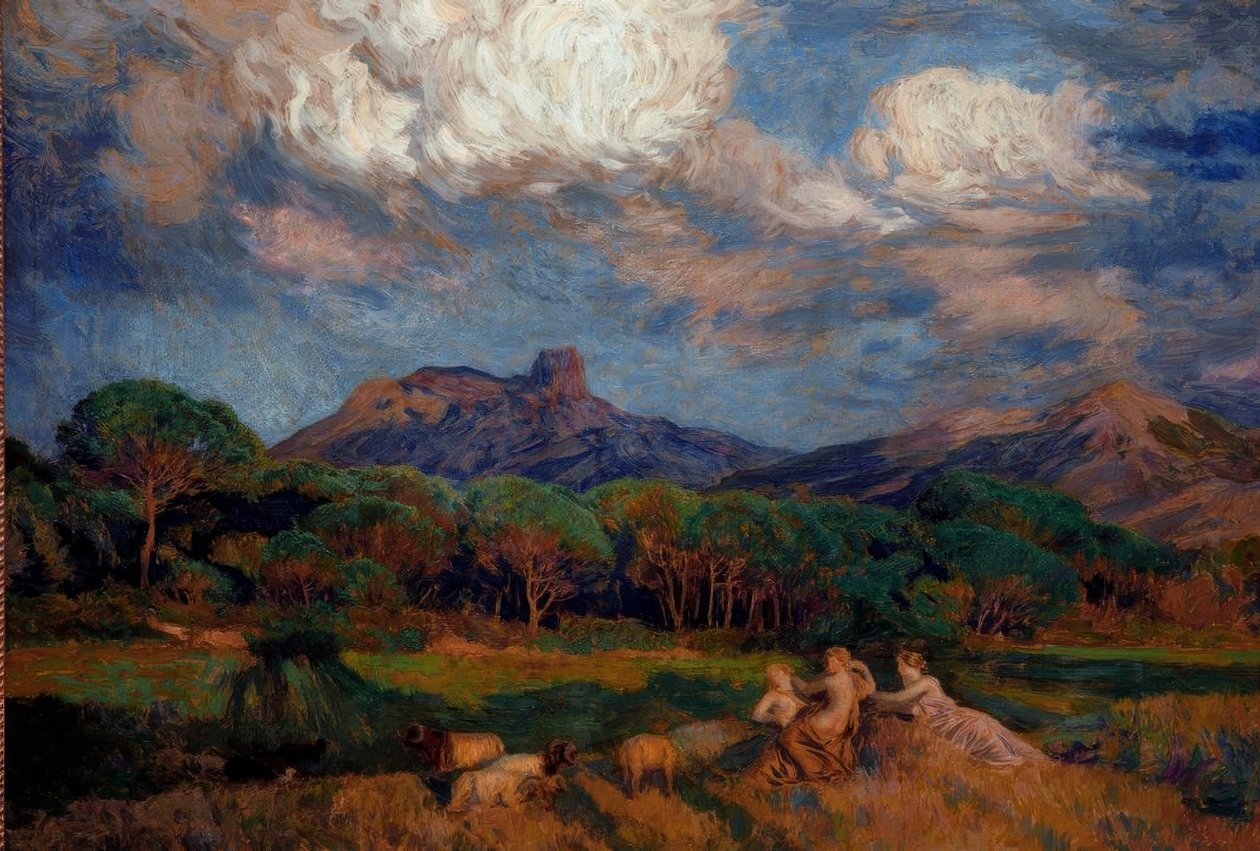
Emile Rene Menard, "Les Dryads"
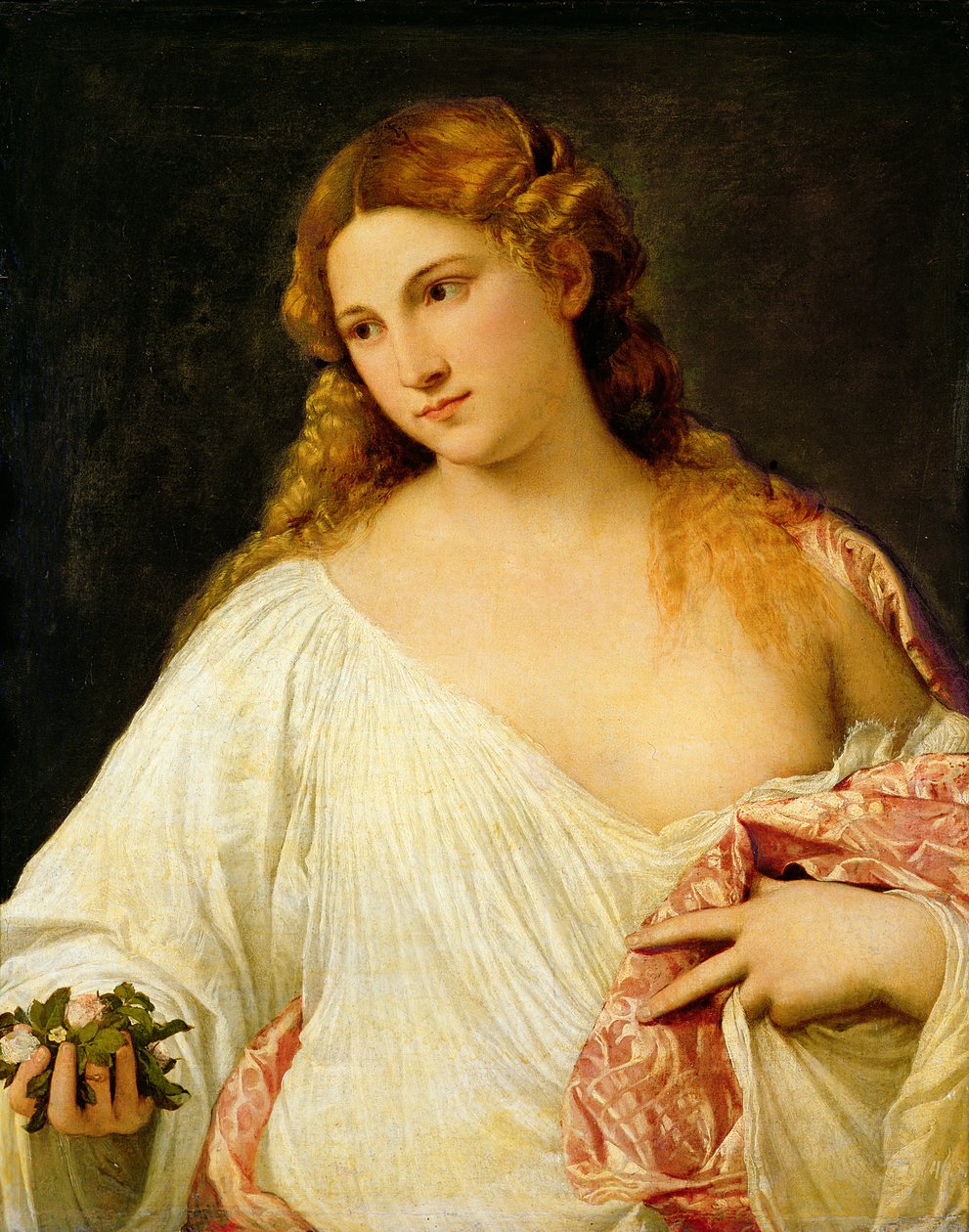
Tiziano Vecelli, "Flora"
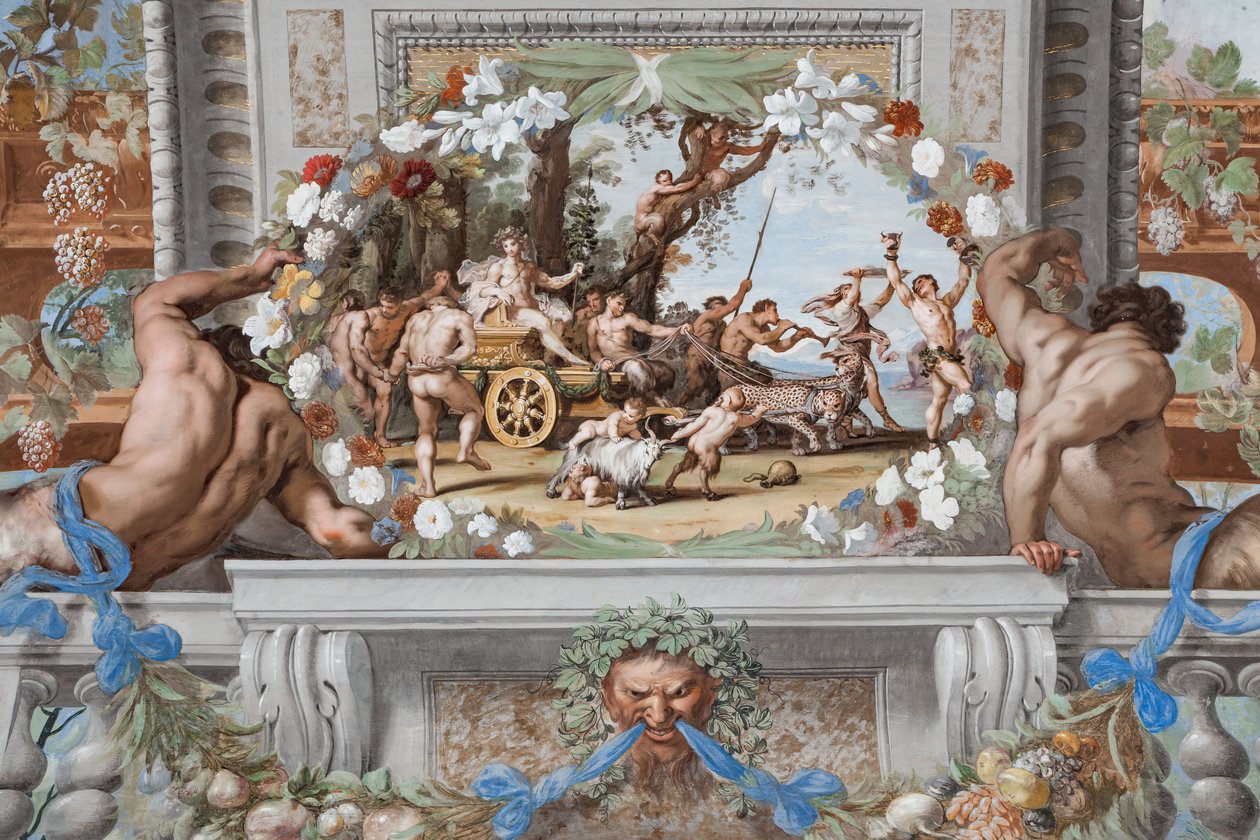
Jean Boulanger, "The triumphal chariot of Bacchus"
詩の内容
詩の出だしは、(読者にはまだ対象が何か分からないながら)ナイチンゲールの鳴き声を聞いた感動をachesとかpainsという痛みの感覚として表現しています。
続けて、毒ニンジンか阿片を飲んだようということですから、毒薬をあおって死へ向かおうとする感覚になります。
しかしそれは過剰なまでの幸福感のせいとして、痛みの意味を逆転させます。死に向かうとしても、それは忘我的な陶酔に向かってということになります。
その幸福感はLetheとかDryadというギリシャ神話の名前を持ち出すことで、今ここの現実を超えてはるか彼方の壮大な神話の世界に浸る幸福感になります。
なおLetheとは黄泉の国Hadesにある川で、死者の霊がその水を飲むと生前のすべてを忘れると言われています。
またDryadは木と森の精で、女性の姿を取ります。
第2連では鳥の歌声が引き起こす幸福感は極上のワインを飲む陶酔感として表現されます。
酔って開ける世界は、FloraとかHippocreneという言葉が示すように、やはり崇高な古代神話の神々の世界です。
詩人は酔って、幻の鳥を追って、遥かなる神話の世界へ入っていきたいと思っています。
なおFloraはローマ神話の花の女神の名、Hippocreneはギリシャ神話に出てくるHelicon山の泉の名で、その水は詩神Muses(女神)に霊感を与えるものでした。
人間がその泉水を飲めば、霊感を得てすばらしい詩を書くことができます。
そしてナイチンゲールの声がその泉水に相当することになります。
第3連では、そんな甘美な世界と対比される現実の世界が描写されます。
詩人が身を置く現実の世界は、決して楽しく穏やかなものではなく、病と絶望と悲惨さに満ちた世界です。
この現実の世界における死とは、第1連で暗示されるような甘美なものではなく、絶望の果てにある生の終わりとしての否定的なものです。
それは現実の宿命としての死であり、美酒が導く陶酔としての死とは区別されます。
その忌まわしい死の不安から逃れるように、第4連では詩人の心は一気に鳥の元へ向かいます。
それも、酒神Bacchusの力を借りるのではなく、詩の翼に乗って、とあります。
言い換えれば、酒の力ではなく、想像力の力で飛翔し、忘却と陶酔の世界に突入します。
もう夕闇が訪れ、月が出ています。
しかし詩人は月の光を浴びることなく、林の暗がりの中に身を浸し、甘美な陶酔をわが物としています。
なおここでも月の女王とあるように、詩人は想像力の力によって神話の世界を作り出しています。
月の女王は、ローマ神話ならDiana、ギリシャ神話ならArtemisになります。
DryadとかFloraとか月の女王とか女性の妖精や神様が言及されていますが、詩人が体験する陶酔感はそうした女性像との性的な陶酔感をも暗示します。
ですからナイチンゲールの声に魅せられ、そばに行きたい、一つに溶け合いたいという願望は、性的エクスタシーへの願望ともなります。
死への願望もその性的な一体感がもたらす忘我状態への願望となるでしょう。
韻律の分析
韻律はすべての連が同じ形式で書かれています。
すなわち「弱・強」のリズムを基本にして、それが1行に5回連続します。
1連は10行で構成されていますが、8行目だけは「弱・強」のリズムは3回の連続にとどまります。
この変化は息継ぎのような鳥の鳴き方の変化を写すものかもしれませんし、あるいは詩のリズムの単調さを避け、連の締めくくりの2行を準備するためのつなぎの役目を果たすのかもしれません。
なお脚韻はabab-cdecdeという形です。
My heart | aches, and | a drow-|sy numb-|ness pains
My sense, | as though | of hem-|lock I | had drunk,
Or emp-|tied some | dull o-|pi-ate to | the drains
One min-|ute past, | and Le-|the-wards | had sunk:
'Tis not | through en-|vy of | thy hap-|py lot,
But be-|ing too hap-|py in |thine hap-|pi-ness,—
That thou, | light-wing-|ed Dry-|ad of | the trees
In some | me-lo-|di-ous plot
Of beech-|en green, | and shad-|ows num-|ber-less,
Sing-est | of sum-|mer in | full-throat-|ed ease.
「弱・強」が基本で、「強・弱」や「弱・弱・強」が混ざります。
7行目のwingedはwing-edと分けて理解します。
語尾の-edは、今日の/d/の発音ではなく、/id/と読んでやります。
英語は昔はローマ字読みでしたから、その名残です。
詩では語尾を/d/と読んでほしいときはwing'dの表記となります。
「'」は省略記号で、eを読まないようにという指示になります。
脚韻はpainsとdrains、drunkとsunk、lotとplot、happinessとnumberless、treesとeaseとなります。
文中の韻では1行目のachesとpainsの/ei/の母韻、1,2行目のheart, hemlockの/h/の頭韻、aches, numbness, senseの/s/の子韻、1~3行目のdull, drains, drowsy, drunkの/d/の頭韻が目立ちます。
2行目にはhemlock, drunkの/k/の子韻、2,3行目にはsense, hemlock, emptiedの/e/の母韻があります。
3、4行目にはdrains, Lethe-wardsの/z/の子韻、3~5行目にはopiate, minute, past, not, lotの/t/の連続した子韻があります。
5行目にはenvy, happyの/i/の母韻、7行目にはlight-winged, Dryadの/d/の子韻、7,8行目にはlight, plotの/t/の子韻、9行目にはbeechen, greenの/iː/の母韻と/n/の子韻、10行目にはSingest, summerの/s/の頭韻などがあります。
/k/, /d/, /t/といった破裂音や/s/の歯擦音が多く使われていますが、それは鳥の鳴き声やそれに伴う心の痛みを表しているのかもしれません。
O, for | a draught | of vin-|tage! that | hath been
Cool'd a | long age | in the | deep-delv-|ed earth,
Tast-ing | of Flo-|ra and | the coun-|try green,
Dance, and | Pro-ven-|çal song, | and sun-|burnt mirth!
O for | a beak-|er full | of the | warm South,
Full of | the true, | the blush-|ful Hip-|po-crene,
With bead-|ed bub-|bles wink-|ing at | the brim,
And pur-|ple-stain-|ed mouth;
That I |might drink, | and leave | the world | un-seen,
And with thee | fade a-way | in-to | the for-|est dim:
「弱・強」が基本で、「強・弱」や「弱・弱・強」が混ざります。
2行目のdeep-delvedの語尾-edは/d/ではなく、/id/の発音になります。
8行目のstainedも同様に、語尾は/d/ではなく/id/となります。
脚韻はbeenとgreen、earthとmirth、Southとmouth、Hippocreneとunseen、brimとdimとなります。
文中の韻では1、2行目のvintage, ageの/dʒ/の子韻、draught, deep-delvedの/d/の頭韻、Cool'd, delvedの/d/の子韻、1~3行目のbeen, deep, greenの/iː/の母韻、2、3行目のCool'd, countryの/k/の頭韻、4、5行目のsong, sunburnt, Southの/s/の頭韻、5~7行目のbeaker, blushful, beaded, bubbles, brimの/b/の頭韻、6、7行目のHippocrene, winking, brimの/i/の母韻、7~10行目のbeaded, stained, world, fadeの/d/の子韻、9~10行目のleave, unseen, theeの/iː/の母韻、drink, with, into, dimの/i/の母韻、10行目のfade, forestの/f/の頭韻などがあります。
Fade far | a-way, | dis-solve, | and quite | for-get
What thou | a-mong | the leaves | hast nev-|er known,
The wea-|ri-ness, | the fe-|ver, and | the fret
Here, where | men sit | and hear | each oth-|er groan;
Where pal-|sy shakes | a few, | sad, last | gray hairs,
Where youth | grows pale, | and spec-|tre-thin, | and dies;
Where but | to think | is to | be full | of sor-row
And lead-|en-eyed | de-spairs,
Where Beau-|ty can-|not keep | her lus-|trous eyes,
Or new | Love pine | at them | be-yond | to-mor-row.
「弱・強」が基本で、「強・弱」が混ざります。
脚韻はforgetとfret、knownとgroan、hairsとdespairs、diesとeyes、sorrowとtomorrowとなります。
sorrow, tomorrowは最後が弱音節となる女性韻となります。
文中の韻では1行目のFade, far, forgetの/f/の頭韻、Fade, awayの/ei/の母韻、1~5行目のquite, forget, What, hast, fret, sit, lastの/t/の子韻、3行目のfever, fretの/f/の頭韻、4行目のmen, groanの/n/の子韻、4、5行目のHere, hear, hairsの/h/の頭韻、4~6行目のgroan, gray, growsの/g/の頭韻、5、6行目のhairs, grows, diesの/z/の子韻、6,7行目のpale, fullの/l/の子韻、spectre, sorrowの/s/の頭韻、8行目のlead-en-eyedの/d/の子韻、9行目のcannot, keepの/k/の頭韻、8~10行目のleaden, lustrous, Loveの/l/の頭韻、9、10行目のeyes, pineの/ai/の母韻、Beauty, newの/uː/の母韻などがあります。
A-way! | A-way! | for I | will fly | to thee,
Not char-|i-ot-|ed by Bac-|chus and | his pards,
But on | the view-|less wings | of Po-|e-sy,
Though the | dull brain | per-plex-| es and | re-tards:
Al-read-|y with | thee! Ten-|der is | the night,
And hap-|ly the | Queen-Moon | is on | her throne,
Clus-ter'd | a-round | by all | her star-|ry Fays;
But here | there is | no light,
Save what | from heav-|en is | with the breez-|es blown
Through ver-|dur-ous glooms | and wind-|ing mos-|sy ways.
「弱・強」が基本で、「強・弱」や「弱・弱・強」が混ざります。
脚韻はtheeとPoesy、pardsとretards、nightとlight、throneとblown、Faysとwaysとなります。
文中の韻では1行目のI, flyの/ai/の母韻、2~4行目のBacchus, But, brainの/b/の頭韻、Bacchus, viewlessの/s/の子韻、pards, wings, perplexes, retardsの/z/の子韻、3、4行目のPoesy, perplexesの/p/の頭韻、6行目のQueen, Moon, throneの/n/の子韻、7行目のCluster'd, aroundの/d/の子韻、9行目のheaven, blownの/n/の子韻、breezes, blownの/b/の子韻、9、10行目のbreezes, glooms, waysの/z/の子韻などがあります。