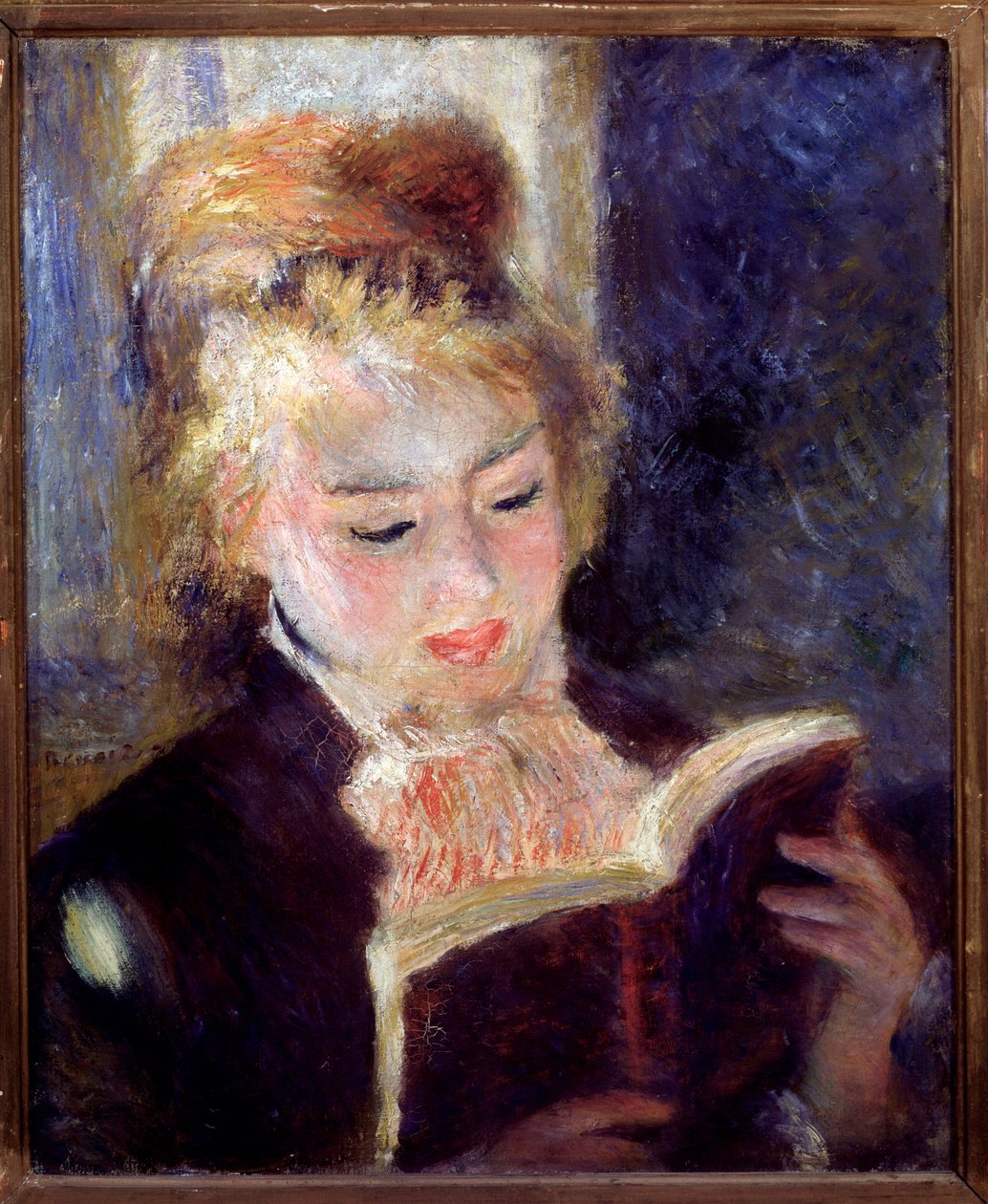
The Day is Done
The day is done, and the darkness
Falls from the wings of Night,
As a feather is wafted downward
From an eagle in his flight.
I see the lights of the village
Gleam through the rain and the mist,
And a feeling of sadness comes o'er me
That my soul cannot resist:
A feeling of sadness and longing,
That is not akin to pain,
And resembles sorrow only
As the mist resembles the rain.
Come, read to me some poem,
Some simple and heartfelt lay,
That shall soothe this restless feeling,
And banish the thoughts of day.
Not from the grand old masters,
Not from the bards sublime,
Whose distant footsteps echo
Through the corridors of Time.
For, like strains of martial music,
Their mighty thoughts suggest
Life's endless toil and endeavor;
And to-night I long for rest.
Read from some humbler poet,
Whose songs gushed from his heart,
As showers from the clouds of summer,
Or tears from the eyelids start;
Who, through long days of labor,
And nights devoid of ease,
Still heard in his soul the music
Of wonderful melodies.
Such songs have power to quiet
The restless pulse of care,
And come like the benediction
That follows after prayer.
Then read from the treasured volume
The poem of thy choice,
And lend to the rhyme of the poet
The beauty of thy voice.
And the night shall be filled with music,
And the cares, that infest the day,
Shall fold their tents, like the Arabs,
And as silently steal away.
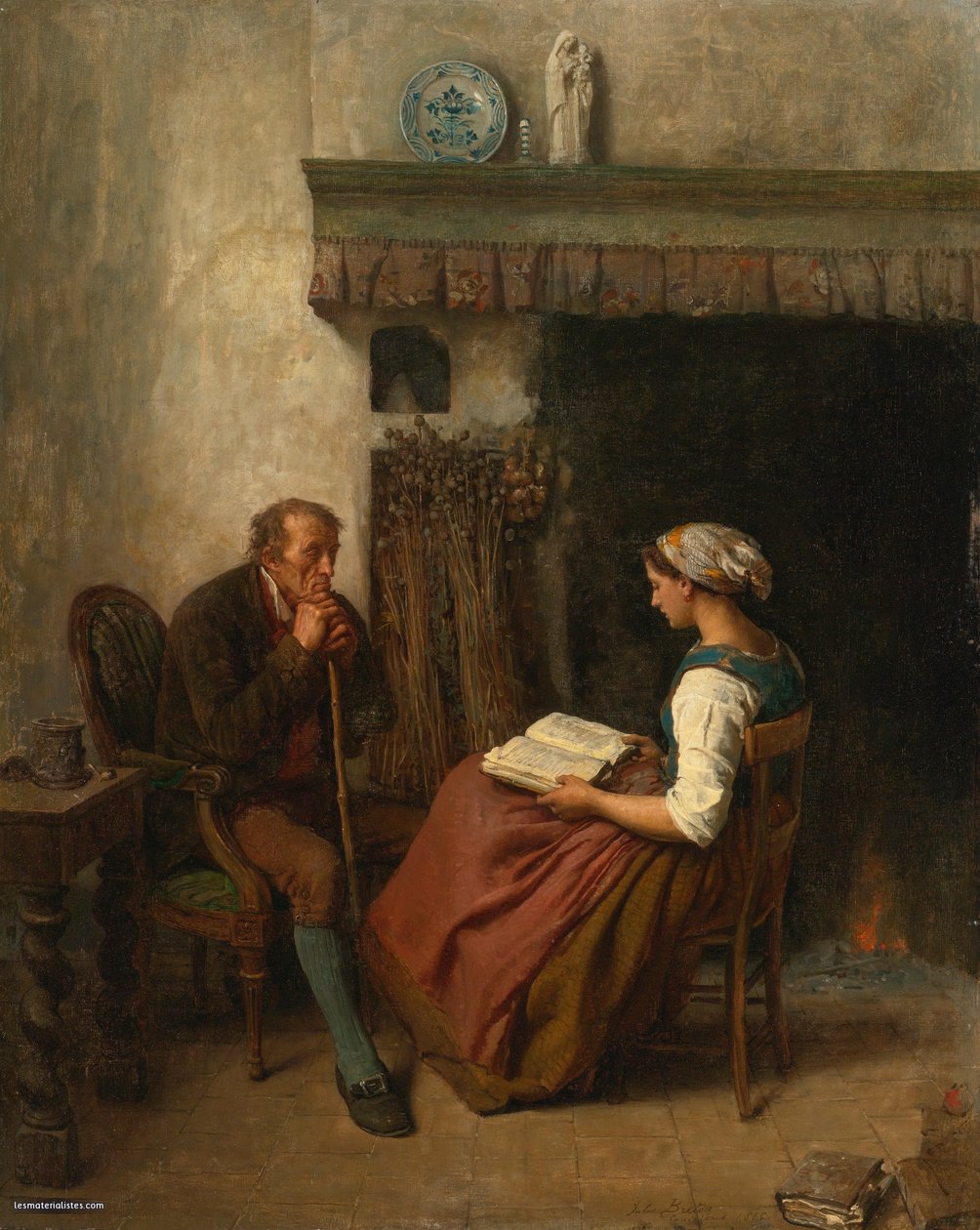
日本語訳
一日が終わり
一日が終わり、闇が、
夜の翼から落ちる、
一枚の羽が、飛ぶワシから、
ふわりと落ちるように。
見れば村の明かりが
雨と霧の中にほのかに光る、
すると悲しみの感情が襲う、
とても抵抗できないような。
悲しみと憧れの感情、
それは苦しみに似るのではなく、
ただ悲哀とのみ似通う、
霧が雨と似通うように。
ねえ、詩を読んでくれないか、
簡単な、心に触れる詩を、
きっとこの落ち着かぬ感情を静め、
昼間の思いを追い払うはず。
昔の立派な巨匠の詩ではなく、
崇高な詩人の詩でもない、
彼らの遠い足音は
時間の廊下に響くだけ。
軍歌の調べのように、
その力強い思想は
人生の終わりなき苦役と努力を示すもの。
でも今夜、わたしは安らぎがほしいのだ。
もっとつつましい詩人の詩がいい、
心からほとばしる歌が、
夏の雲から落ちる夕立のような、
まぶたから滴る涙のような。
そんな詩人は、長い労苦の日々、
安らぎのない夜の間、
いつも心に聞いていた、
すばらしい旋律の音楽を。
そんな歌には力がある、
安まらぬ心配の脈動を静める力が、
そして祈りのあとに続く、
祝福のように来てくれる。
だから、その秘蔵書の中から
君の選んだ詩を読んでほしい、
そしてその詩人の歌に、
君の美しい声を添えてほしい。
そうすれば夜は音楽に満ち、
昼間はびこった心労は、
アラブ人のようにテントをたたみ、
静かに去っていくだろう。
平易な語で書かれた分かりやすい詩です。
一日の仕事に疲れ果て、家で奥さんに詩を朗読してもらって疲れを癒そうと
しているのでしょう。
ただ歴史上の大詩人の詩は思想が深すぎて疲れるだけ、それよりも平易な詩で気持ちをほぐそう
としているようです。
さしずめ、仰々しいクラシック音楽よりは、ゆったりした軽音楽でくつろごうというところでしょう。
第2、第3連にsadnessとsorrowという言葉が出てきますが、sadnessが一般的な悲しみなのに対し、
sorrowは死や不幸に伴う長く深い悲しみを言います。
griefという言葉もありますが、こちらは短期的な激しい悲しみを
言います。
比喩が巧みに使われています。
夜の闇が空飛ぶワシの羽のように落ちてくるとか、昔の大詩人の詩を廊下に響く遠い足音とか、
幾多の心労がアラブ人のようにテントをたたんで去っていくとか、印象に残るおもしろい表現があります。
韻律の分析
最初の3連について調べておきます。
The day | is done, | and the dark-ness
Falls from | the wings | of Night,
As a feath-|er is waft-|ed down-ward
From an ea-|gle in | his flight.
I see | the lights | of the vil-lage
Gleam through t| he rain | and the mist,
And a feel-|ing of sad-|ness comes o'er me
That my soul | can-not | re-sist:
A feel-|ing of sad-|ness and long-ing,
That is not | a-kin | to pain,
And re-sem-|bles sor-|row on-ly
As the mist | re-sem-|bles the rain.
「弱・強」と「弱・弱・強」が基本で、1行に3詩脚あり、一連は4行の構成になっています。
各連とも偶数行の2、4行目で脚韻を踏みます。
すなわち第1連ではNightとflightで/ait/の脚韻、
第2連ではmistとresistで/ist/の脚韻、第3連ではpainとrainで/ein/の脚韻となります。
奇数行の1、3行目は脚韻は踏みませんが、弱音節で終わる女性行末(feminine ending)となっています。
従って第2連の3行目第3詩脚comes o'er meは、普通に読めばmeに強勢を置きたくなりますが、ほかの行末と
の係わりから「強・弱・弱」の形になります。
文中の韻では、第1連では、1行目にday, done, darknessの/d/の頭韻、Falls, wingsの/z/の子韻、 Falls, feather, flightの/f/の頭韻、第2連ではsee, Gleam, feeling, meの/iː/の母韻、 That, cannot, resistの/t/の子韻、第3連にはakin, painの/n/の子韻、resembles, rainの/r/の頭韻などがあります。